

Madras HC Rules Against Backward Class Muslim Status for Converts to Islam
The Madras High Court delivered a significant ruling on Thursday that affects the status of individuals who convert to Islam in Tamil Nadu. The court struck down a government order that had permitted...

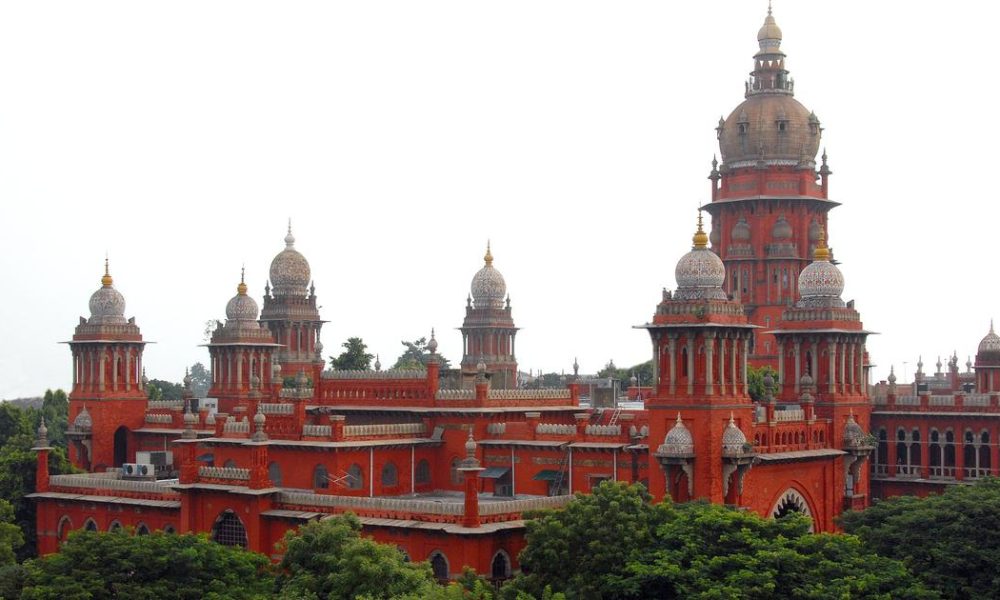
The Madras High Court delivered a significant ruling on Thursday that affects the status of individuals who convert to Islam in Tamil Nadu. The court struck down a government order that had permitted people from various backward classes, including Scheduled Castes and Denotified Communities, to retain their Backward Class Muslim status after conversion. This decision raises important questions about identity and rights for religious converts in the state.
In a judgment passed by Justices GR Swaminathan and PB Balaji, the bench declared the March 2024 administrative order unconstitutional. The court asserted that once a person converts to Islam, they cannot claim the status of a Backward Class Muslim. “A convert is primarily a Muslim, and that is the extent of their classification,” the justices emphasized during the hearing.
The case arose when a 33-year-old Hindu man from Thoothukudi district sought a community certificate identifying him as a Muslim Lebbai, a group recognized as Backward Class Muslims under the now-voided order. After converting to Islam in 2015 and marrying in accordance with Islamic customs, the individual applied for the certificate, only to find his request rejected by the tahsildar. This prompted him to approach the High Court for relief.
During the proceedings, the petitioner referenced the controversial government order that he believed entitled him to the certificate. The Tamil Nadu government defended its order, citing recommendations from the state Backward Classes Commission that aimed to provide benefits to converts. However, the court ultimately sided with the principle that religious conversion should not alter one’s social classification in this context.
This ruling has profound implications for social justice and community identity in Tamil Nadu, particularly as it relates to government policies aimed at addressing historical injustices faced by lower castes. It highlights the complex interplay between religion, caste, and social recognition in a diverse society. The decision may potentially affect a considerable number of individuals who seek recognition and benefits linked to backward class status following their conversion to Islam.
Source: scroll.in




No Comment! Be the first one.