

Delhi High Court Supports Telegram Ban Amid NEET Re-examination; School Officials Face Action Over Controversial Song
The Delhi High Court has confirmed the Union government’s decision to impose a ban on the messaging application Telegram until the day following the re-examination of the National Eligibility...

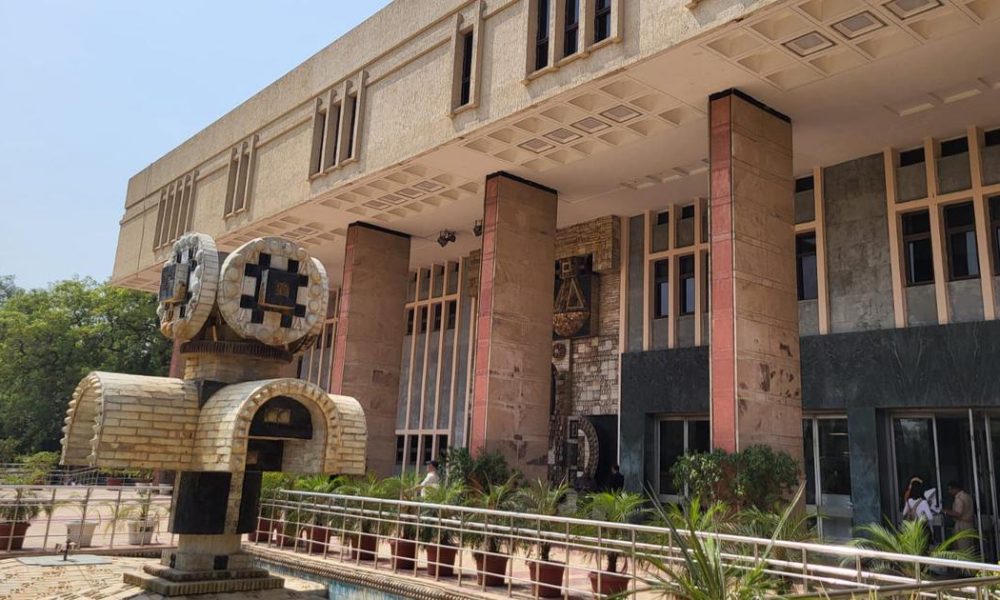
The Delhi High Court has confirmed the Union government’s decision to impose a ban on the messaging application Telegram until the day following the re-examination of the National Eligibility cum Entrance Test (NEET) for undergraduate medical seats. This ruling is a significant step, as the court highlighted that the government adhered to the proper procedures outlined in the Information Technology Act, given the urgent circumstances surrounding the order.
Telegram contested this decision, claiming that it was unfairly targeted, thus violating Article 14 of the Indian Constitution, which ensures the right to equality. The court’s decision underscores the delicate balance between digital privacy and national security, especially in times of potential unrest or turmoil.
In a related legal development, the Supreme Court of India affirmed that pedestrians have a fundamental right to walk safely on designated footpaths. The court emphasized that individuals on foot should be given precedence over vehicles, advocating the need for authorities to maintain common spaces free from vehicular monopolization. While the right to walk may be subject to reasonable restrictions, the safety of pedestrians must be prioritized in urban planning and enforcement.
In a separate incident in Jalna district, Maharashtra, a principal and two teachers are facing legal action after their students performed to a song that has been accused of being Pakistani during a school event. The principal, Wazhiyoddin Siddiqui, defended the song, asserting that it originates from the popular Turkish television series Ertuğrul. This incident, which occurred in February 2025, has raised questions regarding cultural representation and national integrity.
Authorities have filed a case against the school officials for actions that allegedly threaten the sovereignty, unity, and integrity of India. They are accused of promoting enmity between different groups and disseminating misinformation that could adversely affect national integration. This situation highlights the sensitivity surrounding cultural expressions in contemporary India and the scrutiny that educational institutions face in navigating these complex issues.
Source: scroll.in






No Comment! Be the first one.