

Supreme Court Upholds Right to Safe Walking on Footpaths as Fundamental
In a landmark judgment delivered on Friday, the Supreme Court of India affirmed that the right to walk safely on designated footpaths is a fundamental right. This ruling emphasizes the precedence of...

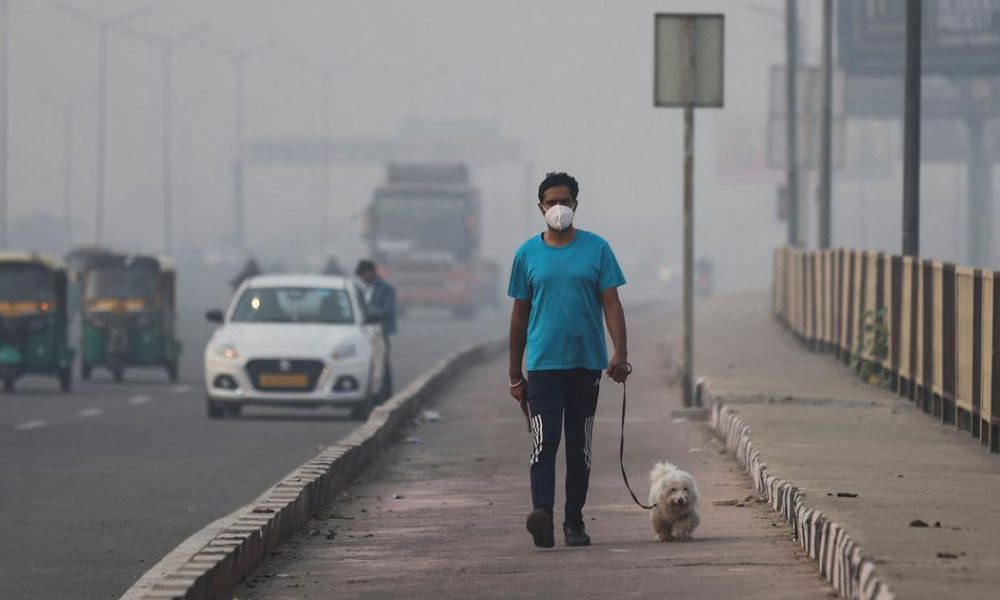
In a landmark judgment delivered on Friday, the Supreme Court of India affirmed that the right to walk safely on designated footpaths is a fundamental right. This ruling emphasizes the precedence of pedestrians over vehicular movement, reinforcing the view that walking is not just a necessity but an inherent freedom that must be safeguarded.
The bench, comprising Justices PS Narasimha and AS Chandurkar, elaborated that while the freedom to walk may be subject to reasonable restrictions, it is imperative that public spaces are not dominated by vehicles. The court asserted that municipal bodies are obligated to create and maintain footpaths, as this right is closely linked to the freedoms enshrined in Article 19 of the Indian Constitution.
In its comprehensive ruling, the Supreme Court underscored the necessity for a clear acknowledgment of this right, which inherently establishes a corresponding responsibility for authorities to ensure the provision and upkeep of pedestrian pathways. According to the justices, the lack of safe and accessible footpaths, or their subjugation to vehicular traffic, reflects a persistent civilizational challenge that must be addressed.
The court’s decision also highlighted that any infringement of this right to walk safely entitles citizens to seek legal recourse for damages against those responsible for providing pedestrian infrastructure. This legal framework is distinct from the entitlements under the Motor Vehicles Act, thus creating a separate avenue for redressal.
As urbanization accelerates across India, the ruling comes as a critical reminder of the need for infrastructure that prioritizes pedestrians. With increasing vehicle congestion in cities, safe and well-maintained footpaths are not merely an embellishment but a fundamental requirement for ensuring the safety and convenience of city dwellers. This decision could herald a significant shift in urban planning and public policy, encouraging local authorities to prioritize pedestrian facilities.
Source: scroll.in







No Comment! Be the first one.