

The Legacy of 19th Century Goans in Zanzibar: From Struggles to Prosperity
On the night of October 11, 1886, a series of revolver shots shattered the calm in Zanzibar, leading missionary doctor Edward John Baxter to the scene of a violent incident. Baxter, who was known for...

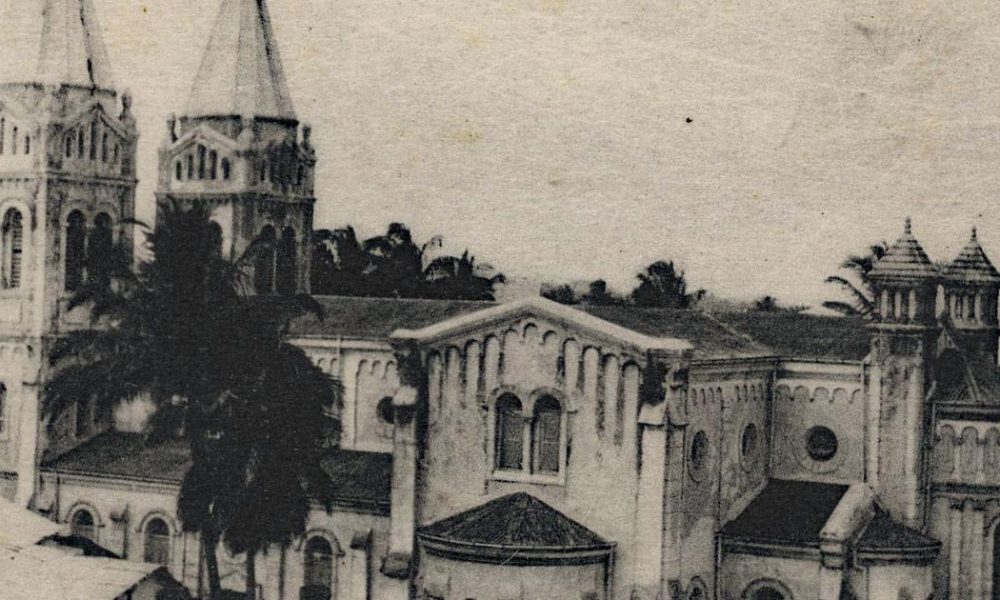
On the night of October 11, 1886, a series of revolver shots shattered the calm in Zanzibar, leading missionary doctor Edward John Baxter to the scene of a violent incident. Baxter, who was known for his frequent travels into the interior of the island, was not unfamiliar with the turmoil that often accompanied such journeys. This particular night, however, would prove to be a significant moment in the history of the Goan community in East Africa.
As Baxter arrived, he was met by a group of police officers armed with lanterns, illuminating the darkness around a nearby house owned by CR Souza. It was here that the lifeless body of an unidentified African man was discovered, who had succumbed to a gunshot wound just moments after Baxter examined him. The incident occurred as the man was allegedly attempting to enter Souza’s home from a scaffolding, a sight that would raise eyebrows about the tensions that simmered beneath the surface of Zanzibar’s diverse community.
Amidst such violence and chaos, the Goan population began to carve out a significant niche for themselves in Zanzibar. Immigrating primarily for economic opportunities, many Goans came to the region in the late 19th century, bringing with them skills in trade, agriculture, and administration. Over the years, they managed to establish themselves as one of the wealthiest communities in East Africa, contributing to the cultural and economic fabric of the region.
The allure of Zanzibar for the Goans was not just in its economic prospects but also in its rich cultural tapestry. The island served as a melting pot of various cultures, where Arab, African, and Indian influences intertwined. This multicultural environment provided the Goans with a unique opportunity to thrive, as they navigated their way through the local commerce landscape, often becoming successful merchants and landowners.
Today, the legacy of these 19th-century Goans is evident in Zanzibar’s society. Their contributions to the economy are still felt, and their descendants continue to play a vital role in both the social and cultural spheres of the islands. The story of the Goans in Zanzibar serves as a reminder of the resilience and adaptability of immigrant communities, highlighting how they can turn challenges into success and leave a lasting impact on their adopted homelands.
Source: scroll.in







No Comment! Be the first one.