

Delhi’s Central Ridge Faces Destruction Amid Controversial ‘Restoration’ Efforts
Heavy machinery has left its mark on Delhi’s Central Ridge, where the once-thriving forest is now scarred by earthmover tracks and exposed soil. The scene resembles a battlefield, with uprooted...

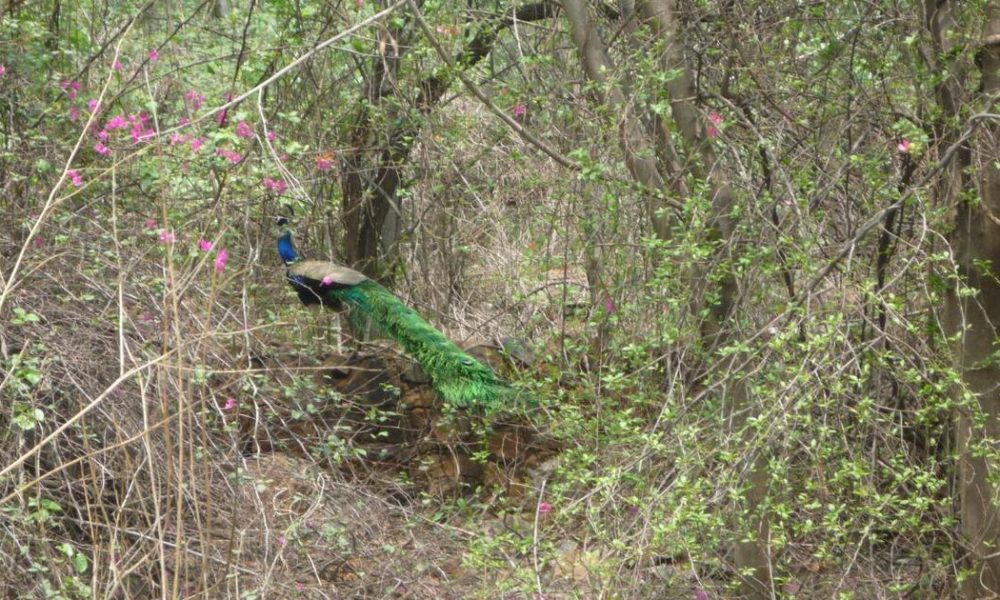
Heavy machinery has left its mark on Delhi’s Central Ridge, where the once-thriving forest is now scarred by earthmover tracks and exposed soil. The scene resembles a battlefield, with uprooted shrubs and felled trees lying neglected, and freshly planted saplings arranged in rows. This alarming transformation is part of a so-called ‘restoration’ project that has sparked concern among environmentalists and local residents alike.
The Central Ridge, a vital ecological area covering 864 hectares, is an extension of the ancient Aravalli Hills and is nestled in the heart of Lutyen’s Delhi. Historically, this region has faced significant ecological disturbances. During the Indian Uprising of 1857, it was entirely deforested to accommodate British army encampments. In the years that followed, efforts were made to reforest the area, notably with the introduction of the invasive Vilayati Kikar (Neltuma juliflora) in 1914, which has since taken over much of Delhi’s greenery.
Regrettably, the agency responsible for protecting these green spaces—the Delhi Forest Department—has initiated a project that many see as an ill-conceived attempt at restoration. Critics argue that this approach neglects the ecological integrity of the Central Ridge and fails to address the long-standing issues of invasive species that threaten native flora and fauna. The Vilayati Kikar, once seen as a solution, has become a problematic presence, choking out the indigenous plant species that are crucial for maintaining the region’s biodiversity.
Environmentalists fear that the current project, rather than restoring the natural ecosystem, may further exacerbate the existing damage. As heavy machinery continues to operate within this once-pristine forest, the potential repercussions for wildlife and the delicate balance of the ecosystem loom large. The destruction of termite mounds and the clearing of native vegetation raise alarms about the long-term sustainability of the area.
As discussions about urban development and ecological preservation grow increasingly urgent, the plight of the Central Ridge serves as a crucial reminder of the need for thoughtful and informed restoration practices. Stakeholders must consider the ecological ramifications of their actions and strive to preserve the natural heritage of this region, rather than compromising it for short-term gains. The Central Ridge is not just a patch of land; it is a living ecosystem that deserves protection and respect.
Source: scroll.in





No Comment! Be the first one.