

The Dark Side of Wearable Technology: How Smart Watches and Health Trackers Can Trigger Anxiety
In recent years, the popularity of wearable health and fitness devices has soared, with millions of individuals embracing smartwatches and fitness trackers to monitor their daily activities, sleep...

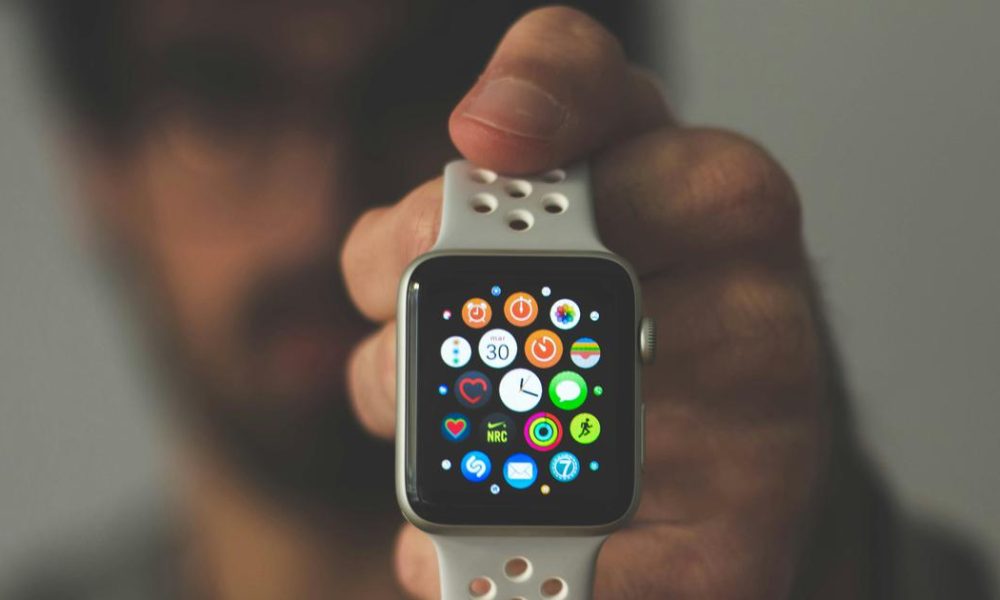
In recent years, the popularity of wearable health and fitness devices has soared, with millions of individuals embracing smartwatches and fitness trackers to monitor their daily activities, sleep patterns, and vital signs. While these gadgets can be invaluable tools for promoting a healthier lifestyle, they can also have unintended psychological effects, particularly among certain users.
One striking example comes from a conversation I had during a public event. A participant shared his experience after completing a challenging hike; he felt a rush of euphoria until he checked his smartwatch, which indicated a heart rate of 130 beats per minute. In an instant, his mood shifted from exhilaration to panic. It took him about 30 minutes to understand that the high pulse was simply a result of the altitude rather than a health emergency. This anecdote highlights a growing concern: many people are experiencing heightened anxiety due to the constant feedback provided by wearables.
Research suggests that the anxiety triggered by wearable devices often stems from a disparity between users’ expectations and the data they receive. Our brains function as prediction machines, continuously updating our mental models based on incoming sensory information. When wearables present unexpected data—like a higher-than-expected heart rate—it can lead to confusion and distress, disrupting an otherwise positive experience.
This issue is particularly pertinent in India, where the health and fitness culture is gaining momentum, especially among urban populations. As more individuals adopt wearables as part of their fitness regimens, the psychological implications are becoming increasingly apparent. Some users have reported feeling so overwhelmed by the constant monitoring that they have chosen to discontinue using these devices altogether.
Experts suggest that the key to addressing this anxiety lies in education and understanding the technology. Users should be aware of how to interpret the data presented by these devices in the context of their activities and overall health. It is essential to recognize that fluctuations in heart rate and other readings can be influenced by various factors, including stress, hydration, and altitude, and are not solely indicative of one’s health status.
As the trend of wearable technology continues to grow, it becomes crucial for manufacturers to enhance user experiences and mitigate potential negative effects. By fostering a greater understanding of how these devices work and promoting a balanced approach to fitness tracking, individuals can enjoy the benefits of technology without compromising their mental wellbeing.
Source: scroll.in







No Comment! Be the first one.