

Elon Musk Becomes World’s First Trillionaire: Implications for Wealth Distribution and Democracy
In a landmark financial achievement, Elon Musk has officially become the world’s first trillionaire, a title that underscores the growing disparities in wealth distribution globally. This milestone...

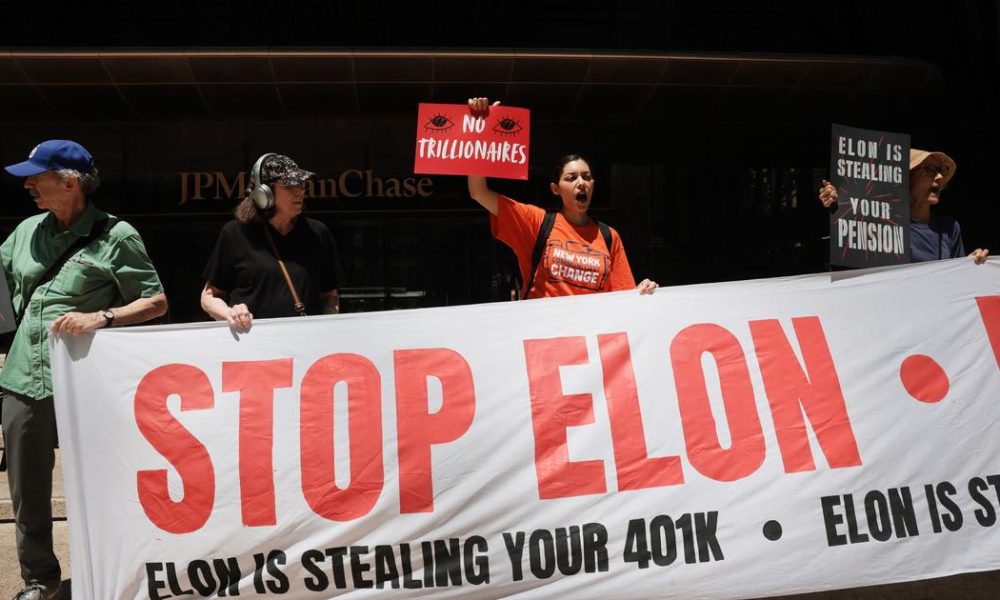
In a landmark financial achievement, Elon Musk has officially become the world’s first trillionaire, a title that underscores the growing disparities in wealth distribution globally. This milestone was reached following SpaceX’s recent initial public offering, which raised a staggering $75 billion. Musk’s significant stake in the company alone has been valued at around $866 billion, contributing to an overall net worth estimated by Bloomberg at approximately $1.1 trillion.
To put this figure into perspective, Musk’s wealth is comparable to the annual economic output of Switzerland, easily surpassing the gross domestic product of several countries with large populations. This raises profound questions about the implications of such concentrated wealth in the hands of one individual in a world grappling with pressing issues that governments often cite as too costly to address.
As discussions around the legitimacy of billionaire fortunes gain momentum, the critical question emerges: what responsibilities accompany such immense wealth? The emergence of Musk as the world’s first trillionaire prompts a necessary examination of whether extreme wealth concentration can coexist with democratic values. It invites a broader discourse on the potential consequences of wealth disparity amidst rising global challenges.
The current global landscape is being described as a ‘polycrisis,’ characterized by a multitude of crises ranging from escalating geopolitical conflicts to severe climate disruptions and unprecedented food insecurity. Such ongoing vulnerabilities highlight a troubling relationship between the wealth amassed by individuals like Musk and the plights faced by billions worldwide. Are these phenomena intertwined, or do they simply coexist in parallel?
As India and the world continue to navigate these crises, the debate over the existence and implications of billionaires becomes increasingly relevant. How wealth is accumulated, distributed, and utilized has far-reaching implications for societal stability and equity. As the narrative unfolds, society must grapple with the balance between individual success and collective welfare, especially in an era marked by significant economic and social challenges.
Source: scroll.in






No Comment! Be the first one.