

Daniel Ortega Abolishes Elections in Nicaragua, Signaling a Shift Towards Absolute Rule
In a significant move that has sent shockwaves through the political landscape of Central America, Nicaraguan President Daniel Ortega has declared an end to elections in the country. This...

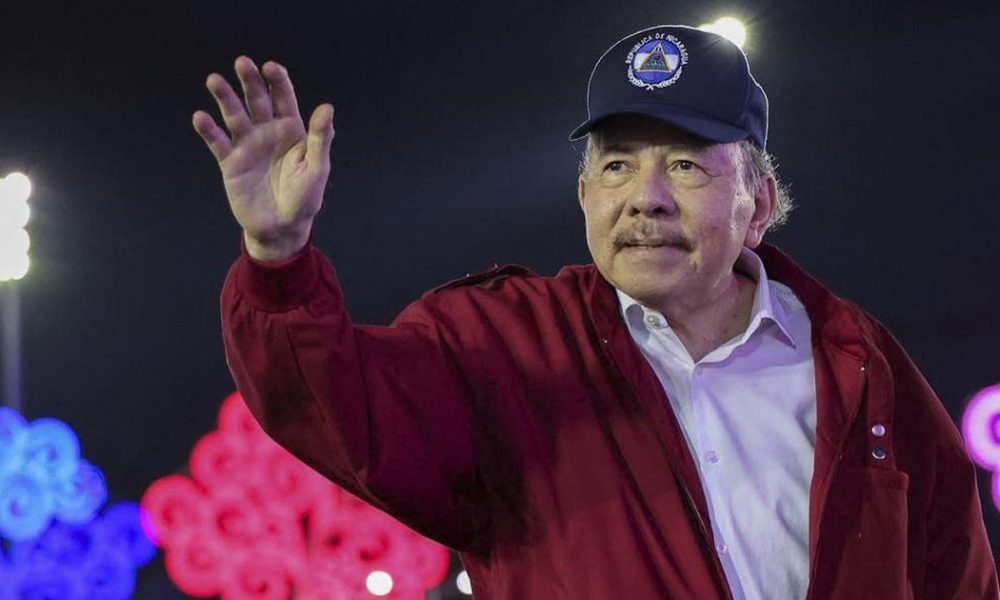
In a significant move that has sent shockwaves through the political landscape of Central America, Nicaraguan President Daniel Ortega has declared an end to elections in the country. This announcement, made during a speech commemorating the anniversary of the 1979 revolution that ousted the Somoza dictatorship, marks a pivotal shift in Ortega’s long-standing grip on power since he was re-elected in 2006. The former Sandinista rebel, who has increasingly consolidated authority over the years, is now pursuing a strategy that eliminates even the facade of electoral democracy.
Ortega’s statement was resolute: “The days when parties backed by the Yankees and the Somocistas would return to power are over – never again.” This declaration reflects a growing trend of authoritarianism in Nicaragua, where elections have long been marred by allegations of rigging and violence. The recent legislative changes aimed at abolishing elections signal an alarming escalation in Ortega’s strategy of governance, moving towards what can be described as unchecked autocracy.
Historically, many modern authoritarian leaders have maintained a veneer of democracy through regular elections and multiparty systems, even if these processes are manipulated to ensure their continued rule. Ortega’s outright cancellation of elections represents a drastic departure from this norm, highlighting a disturbing trend among autocrats who are increasingly willing to abandon the pretense of democratic governance. This is particularly concerning for observers, as it indicates a possible shift in the tactics used by authoritarian leaders worldwide.
The implications of Ortega’s decision are profound, not only for Nicaragua but also for the entire region, where political stability has been fragile. As the political climate becomes increasingly oppressive, the citizenry faces the dual challenge of navigating a repressive regime while seeking to uphold their rights and liberties. The international community will likely be watching closely as Nicaragua’s situation evolves, with many fearing that this could inspire similar moves by other authoritarian regimes.
In a global landscape where democratic values are under siege, Ortega’s actions serve as a sobering reminder of the precariousness of political freedoms. With the formal end of elections in Nicaragua, the path toward restoring democratic processes may become even more difficult, making it essential for global stakeholders to engage with this crisis and support movements advocating for human rights and democracy in the region.
Source: scroll.in


No Comment! Be the first one.