

Abdullah Ibrahim: A Jazz Legend Who Embodied South Africa’s Cultural Resistance
Adolph Johannes Brand, known globally as Abdullah Ibrahim, was born on October 9, 1934, in Cape Town, South Africa. He emerged as a prominent figure in the world of jazz, capturing the essence of...

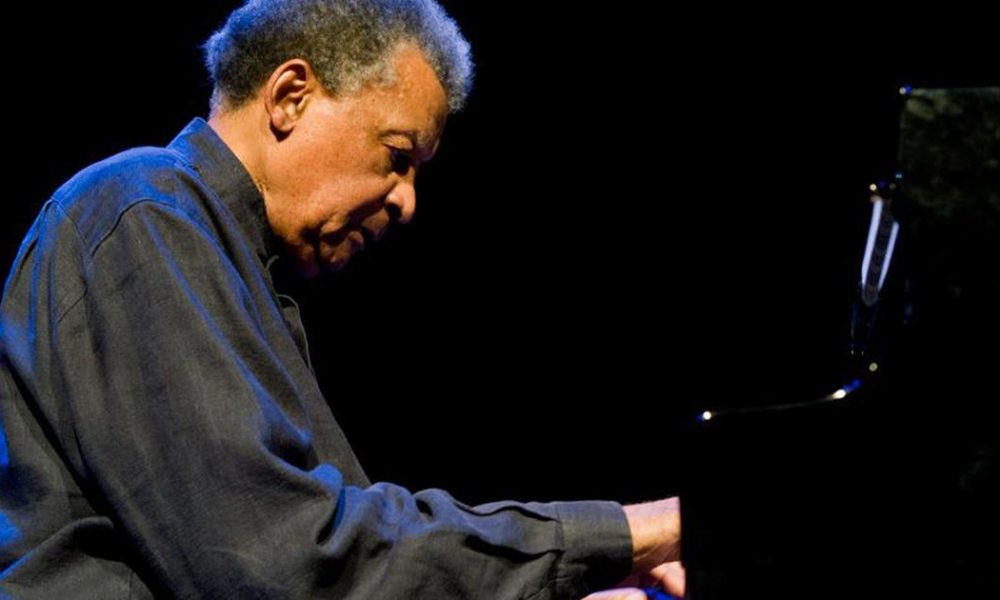
Adolph Johannes Brand, known globally as Abdullah Ibrahim, was born on October 9, 1934, in Cape Town, South Africa. He emerged as a prominent figure in the world of jazz, capturing the essence of South Africa’s multicultural spirit and the resilience of its people. Ibrahim’s early life in District Six, a vibrant neighborhood characterized by its diverse population, laid the foundation for his artistic journey. However, the community faced the harsh realities of apartheid when it was forcibly declared a ‘white area’ in 1966, leading to the removal of its residents by 1982. This community, rich in creativity and cultural expression, served as a backdrop for Ibrahim’s musical beginnings, where he began playing the piano at the tender age of seven.
In the 1950s, as he adopted the stage name Dollar Brand, Ibrahim quickly made a name for himself as a bebop-inspired jazz musician. His artistic evolution took a significant turn in 1968 when he converted to Islam, adopting the name Abdullah Ibrahim. This spiritual transformation deeply influenced his music, infusing it with a profound sense of dignity and introspection that resonated with audiences worldwide. Over his illustrious career, he recorded more than 70 albums, garnering numerous accolades that celebrated his exceptional talent and contribution to the genre.
Abdullah Ibrahim’s work transcended mere musical performance; it was a form of resistance and a reflection of his political consciousness. As a public intellectual, he used his art to comment on the socio-political landscape of South Africa, embodying the struggles and hopes of his people. His deep spirituality and commitment to social justice were evident not only in his music but also in his public engagements, where he often addressed the challenges faced by his nation.
Documentaries such as ‘A Brother with Perfect Timing’ (1987) and ‘A Struggle for Love’ (2005) capture the essence of Ibrahim’s journey, showcasing his profound impact on the cultural fabric of South Africa. Through his music, Ibrahim became a voice for the oppressed, using jazz as a medium to express the struggles and aspirations of a nation yearning for freedom and equality.
As we reflect on the legacy of Abdullah Ibrahim, it is essential to recognize not only his musical genius but also his role as a cultural ambassador. His life and work serve as a powerful reminder of the resilience of the human spirit in the face of adversity. Abdullah Ibrahim passed away in 2026, leaving behind a rich heritage that continues to inspire musicians and activists around the globe, including in India, where the themes of resistance and resilience resonate strongly.
Source: scroll.in







No Comment! Be the first one.