

The Misinterpretation of JRR Tolkien’s Themes by Modern Political Narratives
On October 30, 2025, the United States Department of Homeland Security (DHS) sparked controversy with a meme featuring Merry Brandybuck, one of the beloved hobbits from JRR Tolkien’s acclaimed...

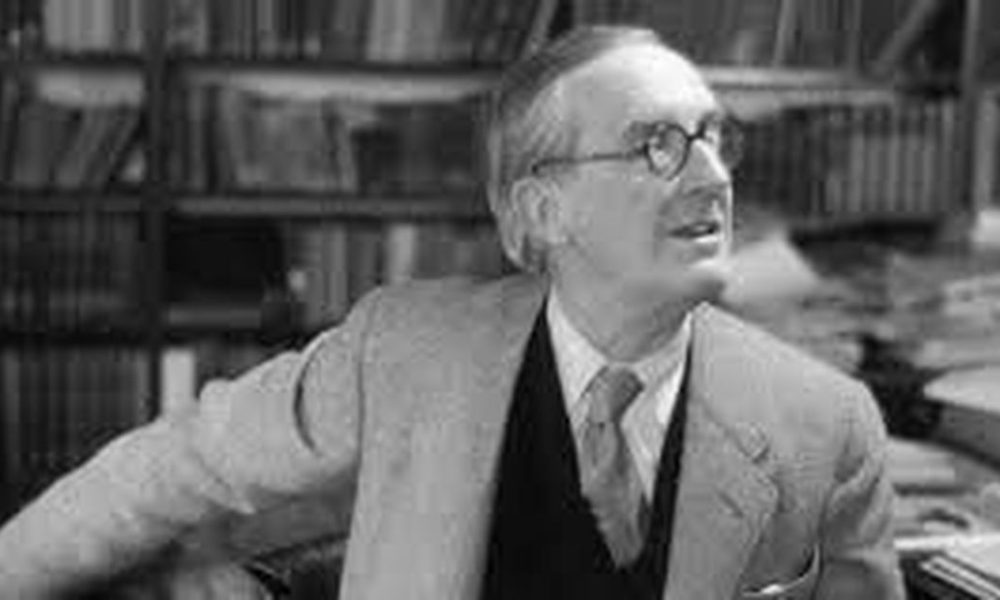
On October 30, 2025, the United States Department of Homeland Security (DHS) sparked controversy with a meme featuring Merry Brandybuck, one of the beloved hobbits from JRR Tolkien’s acclaimed series, The Lord of the Rings. In a scene from Peter Jackson’s adaptation of The Two Towers, Merry warns his companion Pippin that returning home to their peaceful Shire could have dire consequences, stating, “There won’t be a Shire, Pippin.” The meme’s caption, “JOIN.ICE.GOV,” drew strong reactions, illustrating a growing trend in which Tolkien’s works, particularly their stark depictions of good versus evil, are co-opted into the rhetoric of contemporary political movements.
This phenomenon is not isolated to public agencies; influential figures in Silicon Valley, such as Elon Musk, have also been noted for invoking Tolkien’s imagery in discussions around immigration and surveillance. The meme from DHS reflects a larger narrative embraced by certain factions of the New Right, tying their ideologies to the heroic struggle depicted in Tolkien’s narratives. Notably, the tech entrepreneur Peter Thiel named his surveillance company Palantir after the ‘seeing stones’ from Tolkien’s lore, further intertwining technology and fantasy in modern political discourse.
However, many literary scholars and Tolkien experts argue that these interpretations of his work are misguided. Tolkien’s writings often reflect a complex moral landscape, emphasizing themes of friendship, bravery, and the consequences of power, rather than simple dichotomies. Critics of the DHS meme assert that the message undermines Tolkien’s original intent, which advocated for cooperation and unity against tyranny rather than a simplistic call to arms against perceived threats.
In the context of Indian readers, this misappropriation of Tolkien’s messages can serve as a cautionary tale. It highlights how cultural narratives can be manipulated to support divisive political agendas. As India navigates its own complex political landscape, the lesson from Tolkien’s misreadings might encourage a more nuanced understanding of literature and its implications in real-world politics. The richness of Tolkien’s world, with its intricate characters and moral dilemmas, invites readers to reflect on their values and the consequences of their actions rather than resorting to oversimplified interpretations.
As discussions around immigration, identity, and belonging continue to gain prominence globally, it is essential to recognize the power of storytelling. Engaging with literature in a way that respects the author’s intentions can foster a more empathetic and inclusive society. In the case of Tolkien, understanding his work as a multifaceted exploration of humanity’s struggles rather than a rallying cry for division may provide a more profound insight into the challenges we face today.
Source: scroll.in







No Comment! Be the first one.