

Tushar Mehta Explores the Peculiarities of AI in Law in New Book
In an era where technology is redefining the landscape of every profession, Tushar Mehta, India’s Solicitor General, delves into the intriguing and often perplexing behavior of artificial...

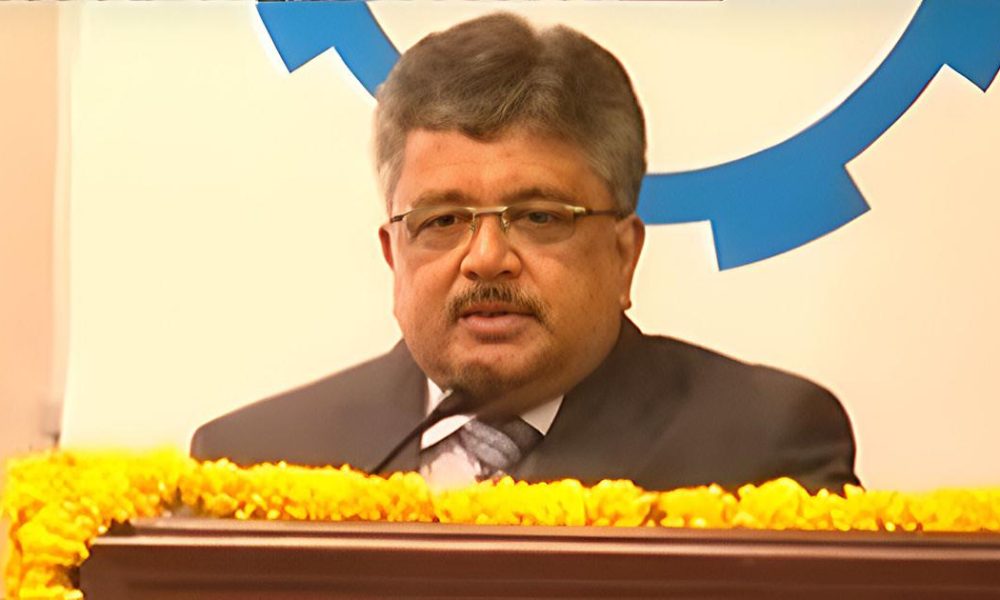
In an era where technology is redefining the landscape of every profession, Tushar Mehta, India’s Solicitor General, delves into the intriguing and often perplexing behavior of artificial intelligence (AI) in his latest book. As the legal domain increasingly integrates innovative tools, the once-traditional practices of law are undergoing a seismic shift.
From legal research to courtroom presentations, technology has permeated every facet of the legal industry. The traditional lawyer’s briefcase, filled with dusty files, is being replaced by sleek iPads, and face-to-face consultations are now often conducted via video conferencing. Among these advancements, AI has emerged as a pivotal resource, touted for its ability to expedite research and streamline various legal processes. However, this rapid adoption of AI technology raises pressing questions about its implications and ethics.
Prominent figures in the tech world have expressed their concerns regarding the unchecked proliferation of AI. For instance, Elon Musk, the CEO of Tesla and X, has warned, “With artificial intelligence, we are summoning the demon.” Similarly, Apple’s Tim Cook has emphasized the importance of prioritizing privacy in technology, advocating for “Apple Intelligence” over mere artificial intelligence. Such remarks underscore the ambivalence surrounding AI’s potential benefits versus its risks.
The challenge lies in ensuring that AI serves as a beneficial tool rather than a destructive force. The analogy of AI as a rocket, capable of soaring to new heights yet potentially disastrous without proper oversight, is a pertinent one. As AI continues to evolve, it raises existential questions about the future of work. Warren Bennis famously predicted a future where workplaces may only need a human and a dog—where the human exists solely to feed the dog. This illustration serves as a stark reminder of the potential consequences of over-reliance on technology.
As Tushar Mehta navigates the complexities of AI within the legal framework, he encourages a critical examination of how this tool can be harnessed responsibly. His insights not only reflect the changing dynamics within the legal industry but also resonate with broader societal concerns about privacy, ethics, and the future of human employment in an increasingly automated world. In a country like India, where such discussions are becoming ever more pertinent, Mehta’s work prompts legal practitioners and policymakers alike to reflect on the responsible integration of AI into the justice system.
Source: scroll.in







No Comment! Be the first one.