

US-Iran Peace Talks Progress Amid Rising Tensions Over Israeli Actions in Lebanon
In a significant development regarding ongoing geopolitical tensions in the Middle East, U.S. President Donald Trump announced on Monday that negotiations with Iran are advancing swiftly. This...

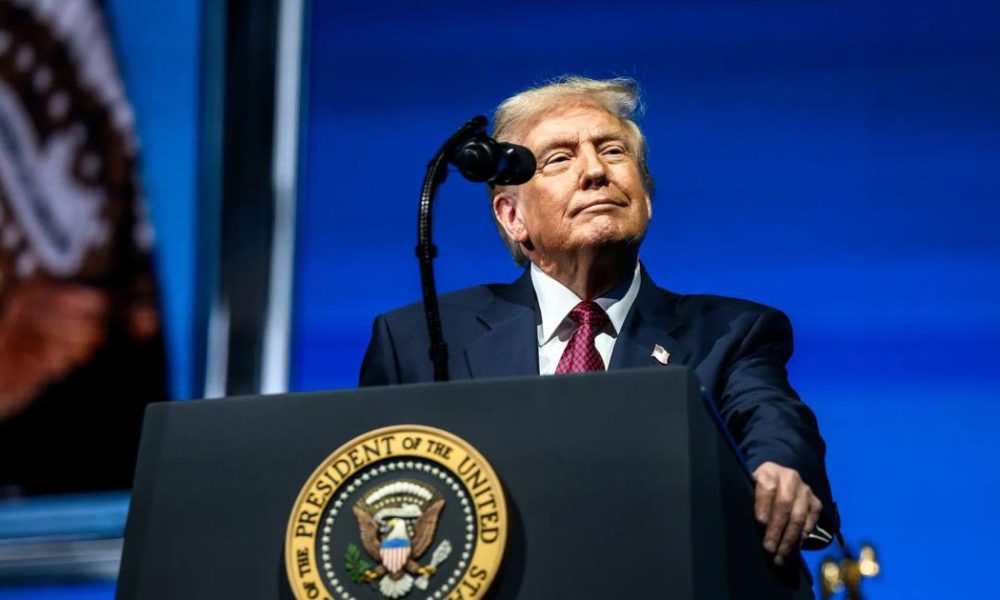
In a significant development regarding ongoing geopolitical tensions in the Middle East, U.S. President Donald Trump announced on Monday that negotiations with Iran are advancing swiftly. This statement comes in the wake of reports from Iranian media indicating that Tehran has paused its dialogue in response to Israel’s recent military activities in Lebanon.
President Trump took to social media to convey that he had engaged in discussions with Israeli Prime Minister Benjamin Netanyahu, urging him to refrain from launching a large-scale military operation in Beirut. Trump asserted that after their conversation, Netanyahu had decided to withdraw his forces from imminent action. This claim was echoed in Trump’s remarks, where he mentioned he had also communicated indirectly with Hezbollah leaders, who purportedly consented to a halt in hostilities. Trump’s optimism about the ceasefire was evident as he remarked, “Let’s see how long that lasts – hopefully it will be for eternity.” However, the situation remains precarious.
Netanyahu’s response, however, was somewhat contradictory. While he confirmed his dialogue with Trump, he reaffirmed Israel’s right to continue military operations against Hezbollah if threats to Israeli cities persisted. He stated that Israel’s military strategy in southern Lebanon would remain intact, suggesting that his government is prepared to act decisively if necessary.
The backdrop of these discussions is marked by rising tensions between the United States and Israel, particularly following an intense phone call between Trump and Netanyahu, characterized by heated exchanges over Israel’s military plans. Reports indicate that Trump expressed frustration at Netanyahu’s aggressive stance, specifically regarding proposed strikes on areas in southern Beirut.
As the situation unfolds, the implications for regional stability are significant. On one hand, the U.S. appears to be advocating for restraint and dialogue, while on the other, Israel remains firm on its defensive posture against Hezbollah. The outcome of these negotiations and military strategies will likely have far-reaching consequences, not only for the involved nations but also for other regional players, including India, which has vested interests in Middle Eastern stability.
Source: scroll.in







No Comment! Be the first one.