

New US Green Card Policy Could Disrupt Immigrant Lives and Families
Each year, over 500,000 individuals depend on the option to apply for a green card from within the United States, a vital document that grants them the legal right to reside and work in the country...

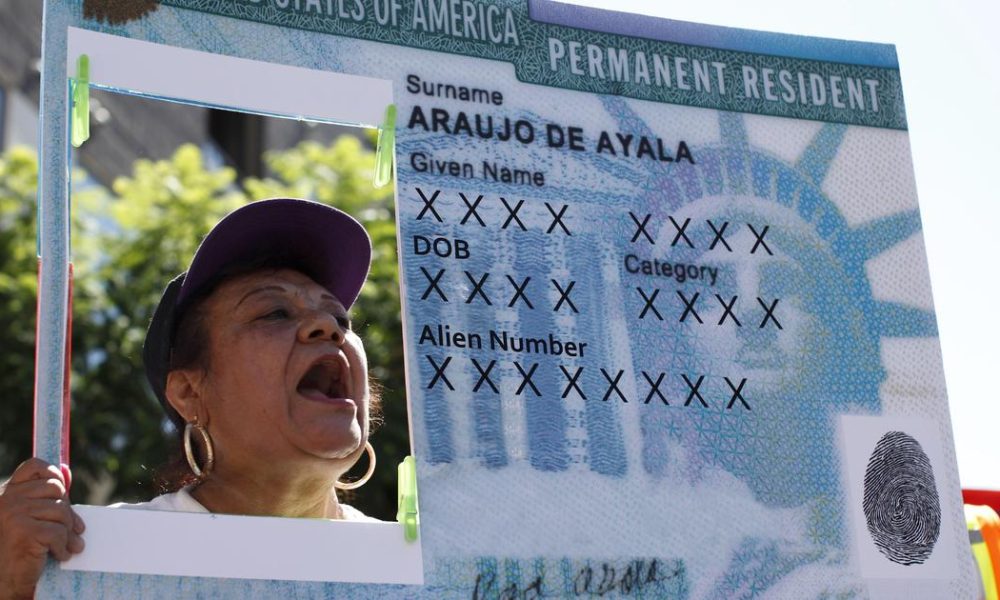
Each year, over 500,000 individuals depend on the option to apply for a green card from within the United States, a vital document that grants them the legal right to reside and work in the country for an extended period. However, a recent policy memorandum issued by the federal government in May suggests a potential overhaul of this longstanding procedure, which could require immigrants to return to their home countries to initiate their applications.
To illustrate the impact of this proposed change, consider the hypothetical case of Lucy, a British national pursuing her PhD at Ohio State University. During her academic journey, she finds love with Mike, an American engineer, and they decide to get married. Traditionally, Lucy would have been able to apply for her green card from Ohio, facilitating a smooth transition into her new life. The newly proposed policy, however, threatens to disrupt such arrangements, compelling couples like Lucy and Mike to make difficult decisions that may involve separating from one another without any assurance of re-entry into the U.S.
This memorandum marks a notable shift in immigration policy, moving away from decades of established practices that have allowed legal immigrants to apply for residency without leaving the country. Law scholars who focus on citizenship and immigration law express significant concern regarding this development, viewing it as a departure from the principles that have historically governed the immigration system. The implications of this change could be profound, especially for families who have built their lives in the U.S. under the current framework.
Moreover, the proposed policy raises broader questions about the treatment of legal immigrants in the United States. It suggests a presumption of wrongdoing, implying that those who have followed the legal processes may be taking advantage of the system, which is not the case for the majority. As debates surrounding immigration continue to evolve, such policy shifts could influence perceptions and attitudes towards immigrants, creating additional societal challenges.
As the discussion progresses, it is crucial for stakeholders, including lawmakers, advocacy groups, and affected individuals, to engage in dialogue. This situation emphasizes the need for a comprehensive understanding of the challenges faced by immigrants, particularly as policies could significantly alter their paths to stability and success in the U.S. The outcome of this proposed change will not only affect the lives of countless immigrants but could also reshape the American immigration landscape for years to come.
Source: scroll.in







No Comment! Be the first one.