

Exploring Kargili Cuisine: A Reflection of Resilience Amidst Nature’s Beauty
The Suru valley in Kargil, with its stunning landscape and rich cultural heritage, is home to the picturesque village of Styankyung. This village is surrounded by lush greenery, where towering oak...

The Suru valley in Kargil, with its stunning landscape and rich cultural heritage, is home to the picturesque village of Styankyung. This village is surrounded by lush greenery, where towering oak and poplar trees form a natural canopy. The Suru river, known locally as Kartse Lungma, winds gracefully through the valley, serving as a tranquil backdrop that enhances the area’s serene atmosphere. As the sun sets, the breathtaking peaks of Nun-Kun, the tallest in Ladakh, cast a warm orange glow, adding to the valley’s enchanting beauty.
Among the many families that have made Styankyung their home for generations, the Ibrahim family stands out. Muhammad Ibrahim, a respected member of the community, has deep ties to the land, and his family’s farming traditions reflect a life intimately connected to the natural rhythms of the region. On a sunny morning, the heart of their home transforms into a vibrant kitchen, where Ibrahim’s wife, Nargis, prepares a feast to showcase the richness of Kargili cuisine.
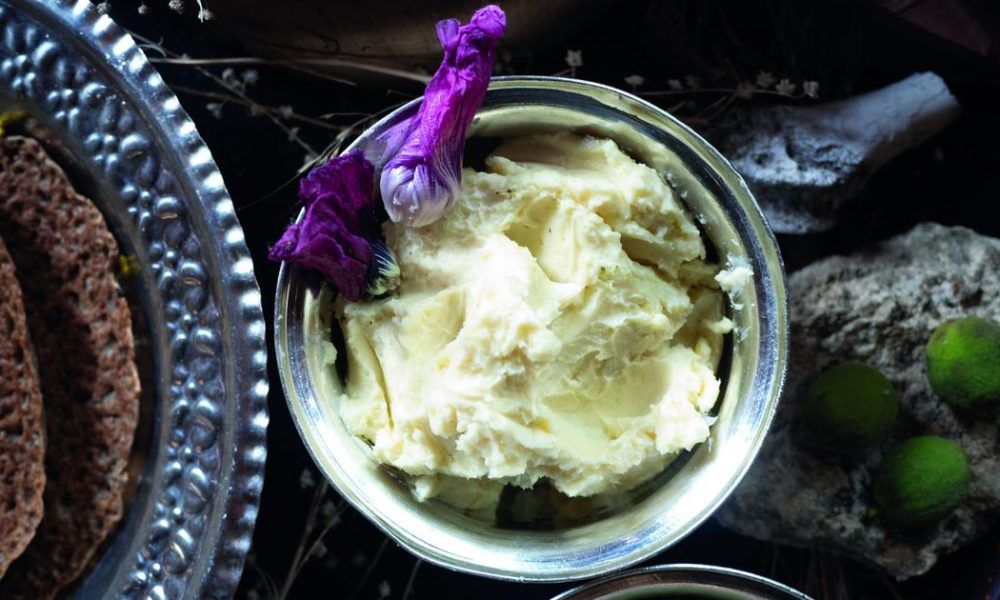
Kargili cuisine is not just about flavorful dishes; it embodies the resilience and tenderness of the local people. Nargis’s spread includes marzan, a traditional dish made from local ingredients, highlighting the region’s agricultural bounty. Each meal is a product of dedication and hard work, representing the strong bond that the community shares with its environment. The preparation of these dishes often involves techniques passed down through generations, ensuring that the flavors and traditions endure.
In recent years, the rugged terrain surrounding Styankyung has attracted boulderers and climbers, who see the area as a hidden gem for adventure sports. This newfound interest is slowly bringing attention to Kargili cuisine, as visitors seek to experience the local flavors that tell the story of the land and its people. The culinary landscape of Kargil is as diverse as its topography, offering a myriad of dishes that reflect the region’s rich cultural tapestry.
As Kargil continues to evolve, the resilience of its people shines through their cuisine. The Ibrahim family’s kitchen is not just a place for preparing meals; it serves as a hub of community life, where stories are shared, and traditions are honored. Through each dish, the essence of Kargili culture is preserved, showcasing the strength and warmth of a community that thrives amidst the challenges of its environment.
Source: scroll.in






No Comment! Be the first one.