

Madhya Pradesh Government Announces Compensation for Families of Victims in 2003 Bhojshala Protest
Madhya Pradesh Chief Minister Mohan Yadav has declared a financial aid of Rs 5 lakh each for the families of three individuals who tragically lost their lives during protests in February 2003 at the...

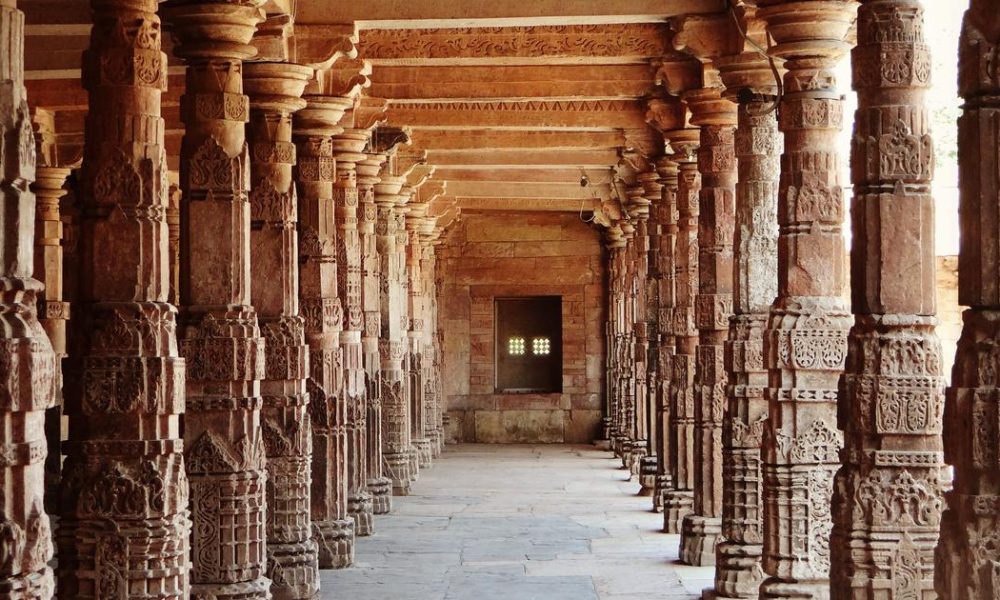
Madhya Pradesh Chief Minister Mohan Yadav has declared a financial aid of Rs 5 lakh each for the families of three individuals who tragically lost their lives during protests in February 2003 at the Bhojshala-Kamal Maula mosque complex in Dhar district. This announcement comes amid ongoing discussions surrounding the historical and religious significance of the site, which is claimed by both Hindu and Muslim communities.
The Bhojshala complex, an 11th-century structure safeguarded by the Archaeological Survey of India (ASI), has been a focal point of contention. Hindus regard it as a temple dedicated to Goddess Vagdevi, also identified with Saraswati, while Muslims view it as a mosque. The protests in 2003 were spearheaded by Hindutva organizations, notably the Vishwa Hindu Parishad, who demanded unrestricted access to the site, asserting that it was originally a temple built during the reign of King Bhoja, a ruler from the Parmar dynasty.
The protests escalated into violence, resulting in the unfortunate deaths of three men—Van Singh Araadi, Lakshman Singh, and Anwar Singh—during confrontations with law enforcement. Following these tragic events, a temporary arrangement was established on April 7, 2003, allowing Hindus to conduct prayers on Tuesdays and Muslims to offer namaz on Fridays within the complex.
However, the situation shifted dramatically on May 15, 2003, when the Madhya Pradesh High Court ruled that the disputed site was a temple of the Hindu deity Saraswati, thereby overriding the ASI’s earlier order. This ruling further deepened the divides between the two communities and has continued to be a contentious issue in the region.
In light of this historical context, the recent announcement by Chief Minister Yadav is seen as a gesture to provide closure and support to the families affected by the violence of two decades ago. The decision underscores the ongoing complexities surrounding religious claims in India, where historical narratives and contemporary politics intertwine. As the state grapples with its past, this compensation aims to acknowledge the human toll of the Bhojshala protests while reigniting discussions about religious tolerance and coexistence in one of India’s historically rich yet divided regions.
Source: scroll.in






No Comment! Be the first one.