

BJP Government in West Bengal to Reduce OBC Reservations, Affecting Thousands
The newly elected Bharatiya Janata Party (BJP) administration in West Bengal has made a significant policy shift, announcing on Monday the decision to dismantle the existing list of Other Backward...

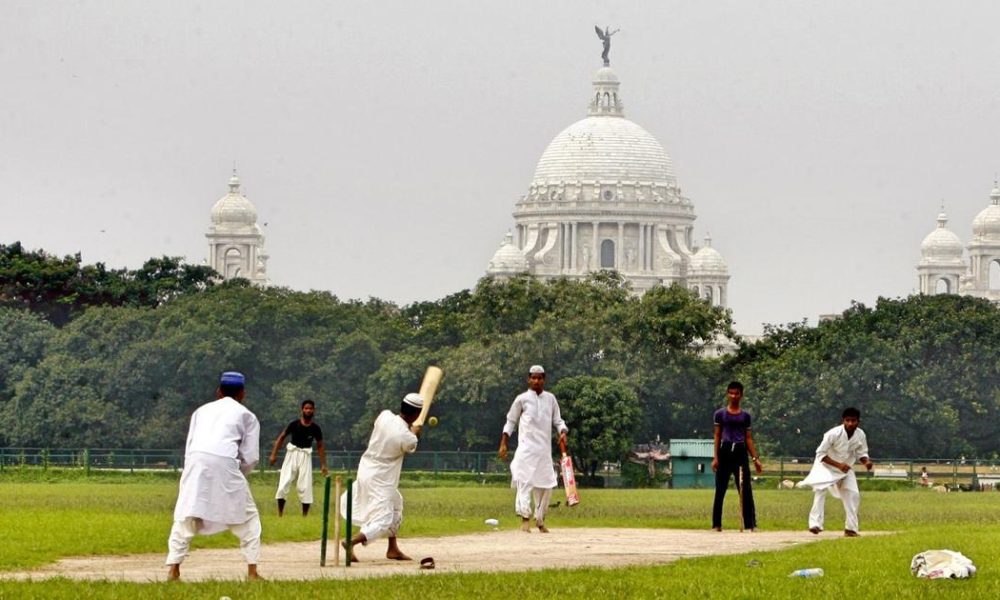
The newly elected Bharatiya Janata Party (BJP) administration in West Bengal has made a significant policy shift, announcing on Monday the decision to dismantle the existing list of Other Backward Classes (OBCs) in the state. This move, which reduces job reservations for OBCs in educational institutions and government roles from 17% to a mere 7%, has raised concerns among various communities, particularly among Bengali Muslims.
According to state minister Agnimitra Paul, the decision aligns with a Calcutta High Court ruling issued in May 2024, which prompts the state to revert to the OBC classification established in 2010. This change effectively nullifies the OBC status for approximately 76 caste groups, many of whom belong to the marginalized Muslim community. The recent announcement follows a declaration from the state government indicating plans to re-verify around 4.8 million OBC certificates that were issued throughout the 15-year reign of the Trinamool Congress (TMC).
This policy adjustment is seen as a continuation of the BJP’s long-standing critique of former Chief Minister Mamata Banerjee’s administration. The party has consistently argued that Banerjee’s approach to OBC reservations was more geared towards appeasing Muslim voters rather than focusing on the genuine upliftment of economically and socially disadvantaged groups. However, many Bengali Muslim academics and community leaders are apprehensive that these sweeping changes could reverse the limited progress their community has made in recent years, hindering upward mobility.
The history of OBC politics in West Bengal is complex and has evolved significantly over the years. The TMC’s policies had aimed to broaden the scope of OBC classifications, which were intended to help those who were historically marginalized. With the BJP’s recent actions, the political landscape has shifted drastically, prompting fears that the newly implemented policies may marginalize vulnerable groups further.
As the state navigates this contentious issue, the implications of the BJP’s decision could resonate throughout West Bengal’s socio-economic structure. Stakeholders, including educators, community leaders, and political analysts, are closely monitoring how this will impact various demographics, particularly the disenfranchised. The coming months are likely to see intensified discussions around reservations and their role in promoting equity in West Bengal.
Source: scroll.in







No Comment! Be the first one.