

Centre Opposes New Hydroelectric Projects in Upper Ganga, Informs Supreme Court
The Union government has conveyed its stance against the approval of new hydroelectric projects in the upper reaches of the Ganga River, particularly in the Alaknanda and Bhagirathi basins of...

The Union government has conveyed its stance against the approval of new hydroelectric projects in the upper reaches of the Ganga River, particularly in the Alaknanda and Bhagirathi basins of Uttarakhand. This declaration was made during a hearing at the Supreme Court on Wednesday, as reported by various sources.
In a unified affidavit submitted to the court, the ministries of Environment, Jal Shakti, and Power clarified that their opposition is specifically directed towards any new initiatives, apart from seven ongoing projects that are either already operational or in advanced stages of construction. Collectively, these seven projects are projected to deliver a significant total capacity of over 2,150 megawatts. The specific projects include the Tehri Stage–II project (1,000 MW), Tapovan Vishnugad (520 MW), Vishnugad Pipalkoti (444 MW), Signoli Bhatwari (99 MW), Phata Byung (76 MW), Madhmaheshwar (15 MW), and Kaliganga–II (4.5 MW).
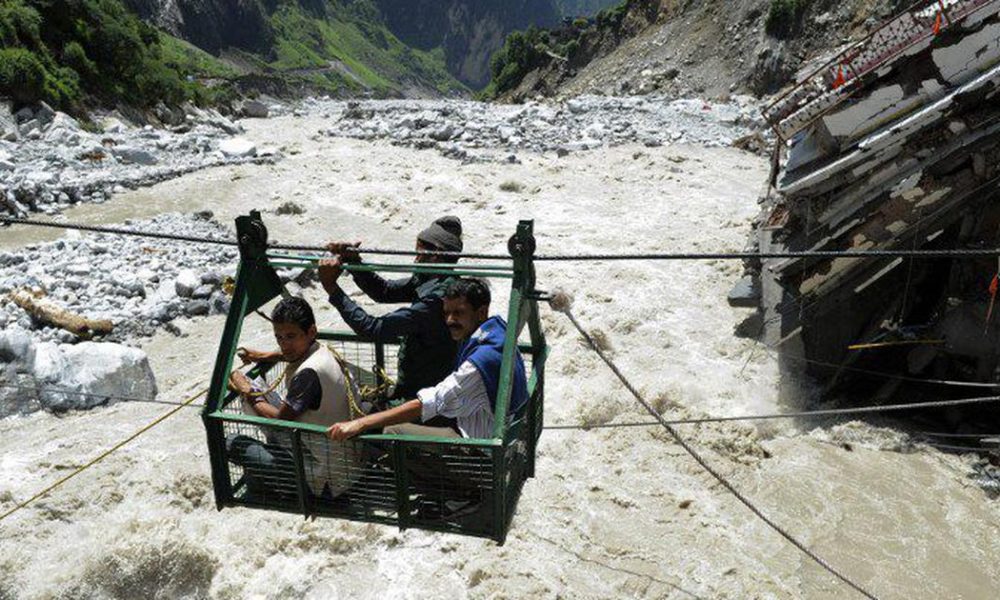
The issue of hydroelectric projects in the Ganga’s upper regions has been under scrutiny since the catastrophic floods in Kedarnath in 2013, which resulted in the tragic loss of over 5,000 lives. The Supreme Court had taken suo moto cognizance of this pressing issue, prompting the Union government to investigate the impact of such projects on exacerbating the natural disaster. In response to the court’s mandate, the Ministry of Environment temporarily suspended ongoing projects and instituted a committee to analyze their environmental implications.
To this end, the ministry has constituted three separate committees to delve deeply into the consequences of hydroelectric projects on the ecosystem and local communities. These committees are expected to provide comprehensive insights that could further guide government policy in this sensitive area.
The decision to halt new hydroelectric projects underscores the government’s commitment to balancing energy needs with environmental sustainability, especially in ecologically sensitive regions like Uttarakhand. As discussions continue, stakeholders from various sectors are keenly observing the developments, which could have far-reaching implications for the future of energy generation in India.
Source: scroll.in







No Comment! Be the first one.