

West Bengal Government Reinforces Media Interaction Rules for Employees
The West Bengal government has issued a directive to its employees, emphasizing strict adherence to existing regulations regarding media communication. The Chief Secretary of West Bengal, Manoj...

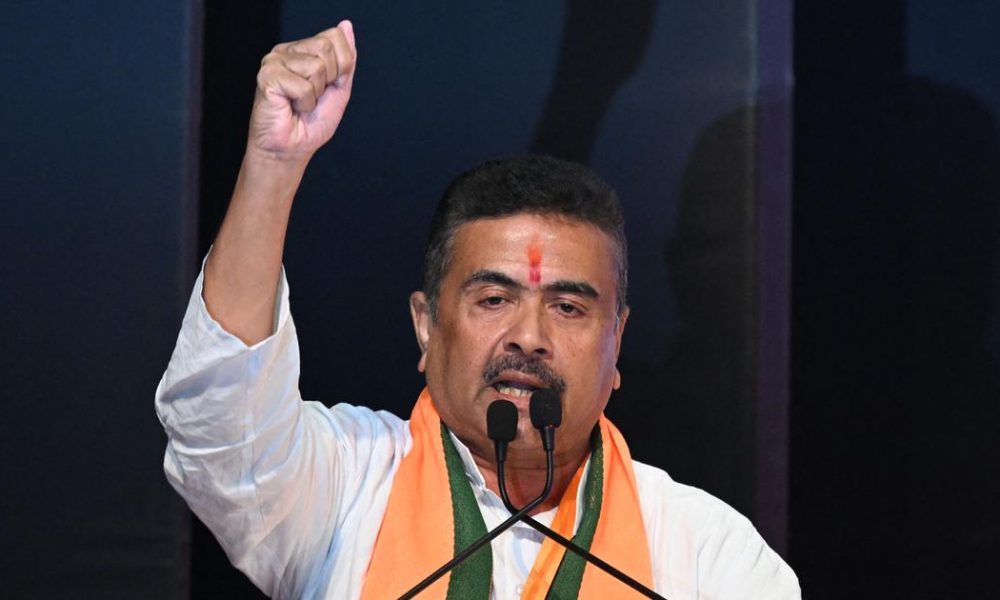
The West Bengal government has issued a directive to its employees, emphasizing strict adherence to existing regulations regarding media communication. The Chief Secretary of West Bengal, Manoj Agarwal, highlighted these protocols in a recent circular, aiming to ensure that government staff do not engage with the media without prior approval.
This move comes as part of a broader framework defined by several conduct rules, including the 1968 All India Service Conduct Rules, the 1980 West Bengal Service Duties, Rights and Obligations of Government Employees Rules, and the 1959 West Bengal Government Servants Conduct Rules. Agarwal stated that these regulations set clear boundaries on how and when civil servants can interact with journalists and media entities, underscoring the importance of maintaining decorum and accountability in public service.
The circular outlines a complete ban on any media participation or engagement by employees of the All India Services, West Bengal Civil Service, and West Bengal Police Service without obtaining prior sanction. This directive extends to any media programs funded by the Government of India but produced externally. The Chief Secretary’s statement emphasizes the necessity for government employees to seek explicit permission before making any media appearances, thereby preventing unauthorized disclosures that could compromise official integrity.
Furthermore, the circular prohibits any direct or indirect sharing of documents or information with the press unless there is explicit governmental approval. This includes a ban on involvement in the editorial or management processes of any publications, reflecting a cautious approach towards information dissemination in a politically sensitive environment. The government aims to create a structured communication pathway, ensuring that all media-related engagements are sanctioned and monitored.
While the West Bengal government’s decision has drawn attention, it also raises questions about the balance between transparency and the need for control in bureaucratic communication. Critics argue that such restrictions may hinder the flow of information to the public, while supporters maintain that they are vital for upholding the integrity and professionalism of government services. As the political landscape in India continues to evolve, the implications of these regulations on public discourse and accountability will be closely observed.
Source: scroll.in







No Comment! Be the first one.