

West Bengal Mandates ‘Vande Mataram’ in Madrasas Following New Directive
The West Bengal government has officially mandated the singing of ‘Vande Mataram’ in all madrasas across the state, as reported on Thursday by The Telegraph. This directive, issued by the...

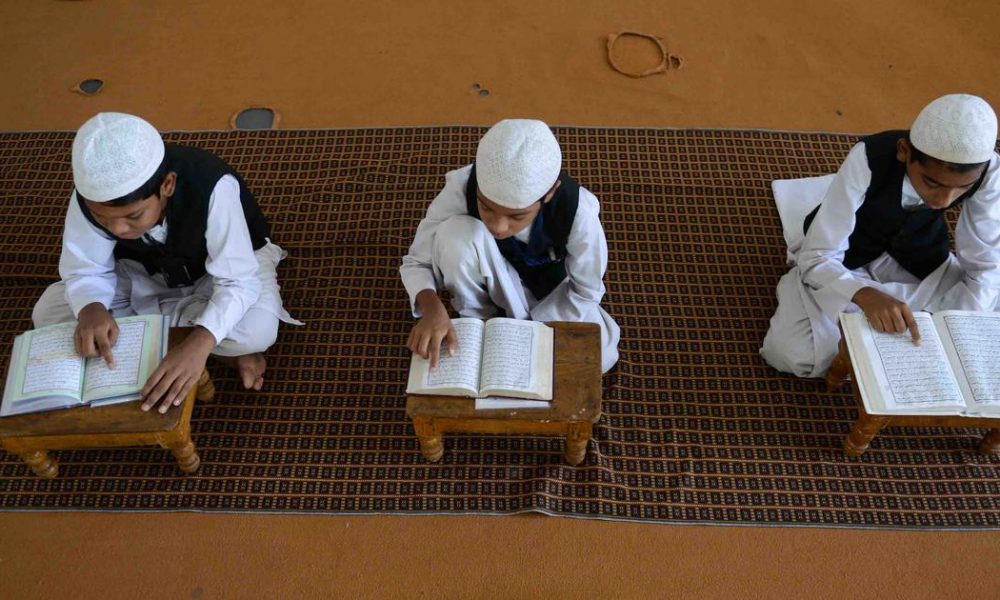
The West Bengal government has officially mandated the singing of ‘Vande Mataram’ in all madrasas across the state, as reported on Thursday by The Telegraph. This directive, issued by the director of madrasah education, affects various categories of madrasas including government model institutions as well as recognized government-aided and unaided madrasas, and comes into effect immediately.
The order explicitly states that the singing of ‘Vande Mataram’ is to take place during assembly prayers prior to the start of classes. In an effort to ensure compliance, madrasas have been instructed to submit reports detailing their adherence to this new requirement. This measure follows a recent initiative by the Bharatiya Janata Party (BJP)-led state government, which had previously mandated that ‘Vande Mataram’ be sung in all state-run and aided schools during morning assemblies.
Traditionally, schools in West Bengal have performed only the national anthem, ‘Jana Gana Mana’, during their assemblies. Meanwhile, the preceding Trinamool Congress government had introduced the singing of the state song, ‘Banglar Mati Banglar Jol’, alongside the national anthem. The new directive signals a shift towards a more uniform practice regarding patriotic songs in educational institutions.
Additionally, it is noteworthy that earlier in January this year, the Union home ministry had suggested that all six stanzas of ‘Vande Mataram’ be sung first when played alongside ‘Jana Gana Mana’. This change was significant as previously only the first two stanzas of the national anthem were played during official functions, marking a notable departure from established practice.
The introduction of ‘Vande Mataram’ as a mandatory practice in madrasas has sparked discussions on cultural identity and the role of patriotism in education. As the state navigates these changes, the response from the educational community and the wider population remains to be seen. The government’s move is likely aimed at fostering a sense of national unity, but it may also evoke varying reactions among different communities within the state’s diverse population.
Source: scroll.in







No Comment! Be the first one.