

The Rise of CAPTCHA: Why Websites Demand Proof of Humanity
In today’s fast-paced digital world, many users have encountered the familiar frustration of having to prove their humanity before completing an online transaction, such as booking concert...

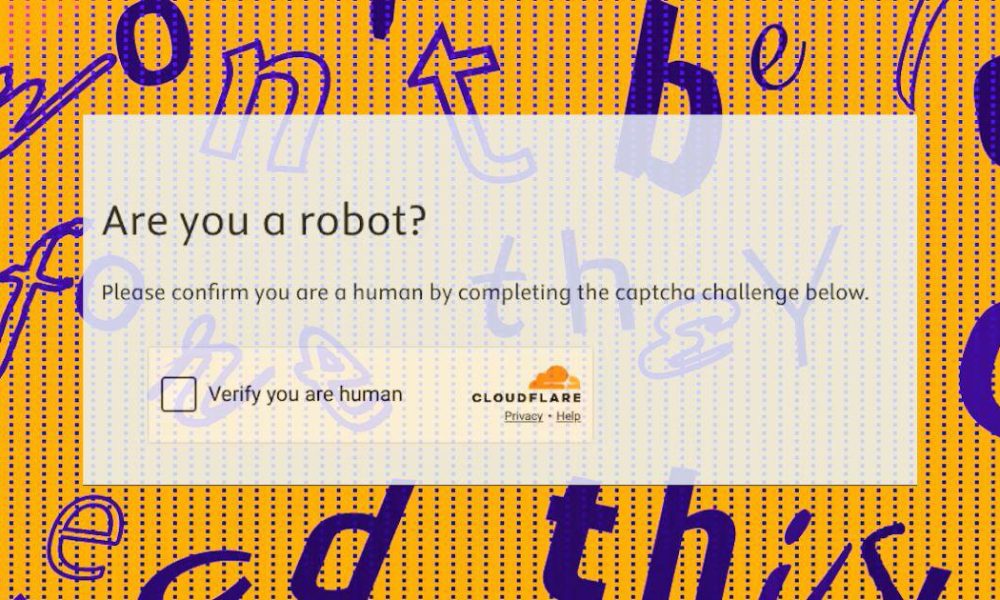
In today’s fast-paced digital world, many users have encountered the familiar frustration of having to prove their humanity before completing an online transaction, such as booking concert tickets or logging into financial services. This task often involves identifying various objects in a grid of images, from traffic lights to bicycles. Such verification processes, collectively known as CAPTCHA (Completely Automated Public Turing test to tell Computers and Humans Apart), have become increasingly common in our online interactions.
The surge in CAPTCHA usage can be attributed to a growing battle against bots—automated programs that mimic human behavior online. With the rapid advancements in artificial intelligence (AI), these bots are becoming more sophisticated, cheaper to deploy, and more challenging to detect. As a result, digital platforms are adopting CAPTCHA systems to safeguard user experiences and protect sensitive information.
Various types of automated traffic now flood the internet, with some bots performing helpful tasks, like search engine crawlers that index content for better search results. However, the more malicious types of bots pose significant threats, engaging in phishing schemes, spam distribution, the creation of fake accounts, and even launching denial-of-service attacks that can cripple servers. Alarmingly, recent developments in AI technology have enabled some bots to generate more online traffic than actual human users, complicating the landscape even further.
Moreover, companies are becoming increasingly concerned about bots scraping their online content for nefarious purposes, including training AI systems. This has led to a surge in requests for human verification across various platforms. As businesses work to defend themselves against these threats, implementing CAPTCHA solutions has become a crucial step in ensuring that their online environments remain safe and user-friendly.
In summary, the prevalence of CAPTCHA on websites is not merely a hindrance; it reflects a broader struggle against the rise of automated systems that threaten the integrity of online interactions. As AI technology continues to evolve, so too will the methods used to distinguish between human and machine, ensuring that users can navigate the digital landscape with greater security.
Source: scroll.in







No Comment! Be the first one.