

Exploring the Cultural Revolution: Innovations in the Arts During the Interwar Period
The interwar period, stretching from the end of World War I to the onset of World War II, marked a significant shift in the world of arts and literature. This era saw a radical departure from...

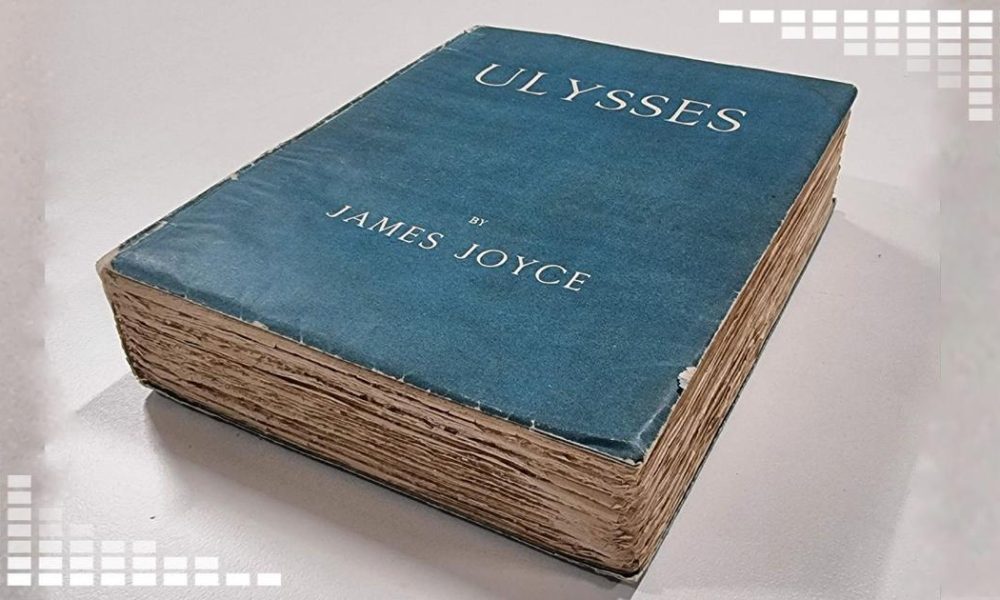
The interwar period, stretching from the end of World War I to the onset of World War II, marked a significant shift in the world of arts and literature. This era saw a radical departure from traditional forms as modernist artists and writers sought to redefine their crafts, reshaping the cultural landscape against a backdrop of social upheaval and technological advancement.
In the realm of visual arts, figures like Wassily Kandinsky emerged as pioneers of abstraction. Kandinsky utilized color and form as vehicles for emotional expression, breaking away from representational art. Similarly, Marcel Duchamp made waves with his provocative piece, Fountain, an ordinary urinal transformed into a statement on the essence of art itself. His challenge to established norms resonated across the art community, influencing countless avant-garde movements.
Meanwhile, the Spanish artist Joan Miró captivated audiences with his playful, whimsical compositions that were imbued with vibrant colors and surreal shapes. These works aimed to tap into the subconscious, echoing the revolutionary ideas of Sigmund Freud regarding dreams and desires. On the other hand, Salvador Dalí took a darker approach, conjuring nightmarish imagery that often featured surreal elements like melting clocks and unsettling landscapes, particularly evident in his masterpiece The Persistence of Memory.
Modernism not only redefined art but also extended its reach into literature, where writers began to mirror the fragmented realities of their time. Authors of the 1920s, greatly influenced by cubist aesthetics, ventured into uncharted territory, abandoning linear storytelling for a more fluid exploration of consciousness. Notable works such as James Joyce’s Ulysses and Virginia Woolf’s Mrs Dalloway exemplify this shift, employing stream-of-consciousness techniques to delve deep into the psyche of their characters, presenting a rich tapestry of thoughts and feelings.
This cultural revolution was shaped by the pressing need to break away from the constraints of the past. The devastation of World War I left societies reeling, and as industrialization accelerated and urban environments expanded, artists sought to reflect the complexities of modern existence. The rise of mass media further influenced this evolution, as new forms of communication began to permeate daily life, altering perceptions and interactions. The restless spirit of modernism, characterized by brilliant yet often troubled innovators, propelled this movement, leading to a reimagining of creative expression in literature, art, music, and architecture.
Source: scroll.in






No Comment! Be the first one.