

Delhi-NCR Air Quality Declines to ‘Poor’ Level, Stage 1 Measures Activated
The Commission for Air Quality Management has announced the implementation of Stage 1 restrictions under the Graded Response Action Plan (GRAP) in Delhi and surrounding areas of the National Capital...

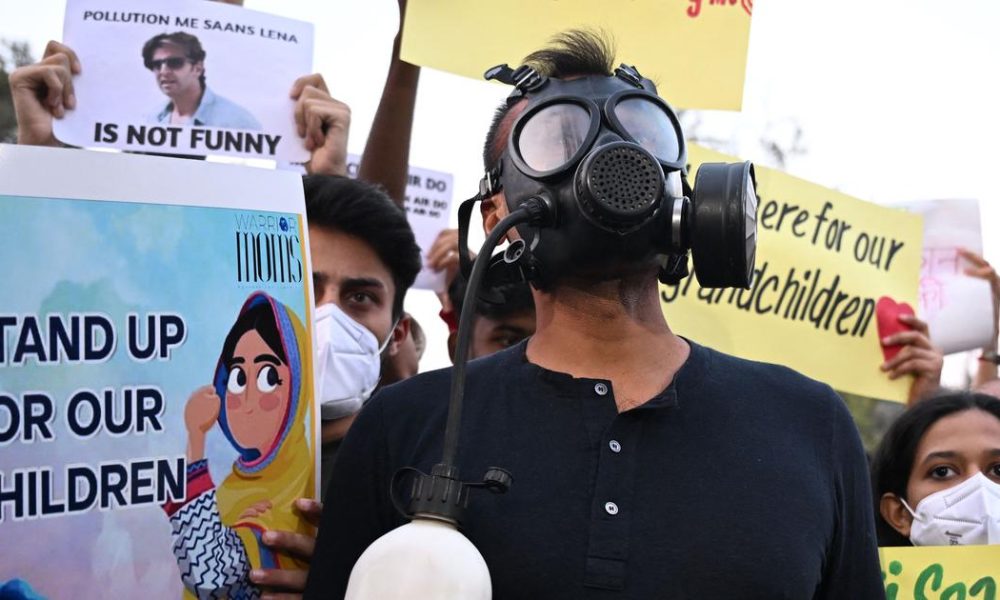
The Commission for Air Quality Management has announced the implementation of Stage 1 restrictions under the Graded Response Action Plan (GRAP) in Delhi and surrounding areas of the National Capital Region (NCR) following a troubling decline in air quality. On Tuesday, the air quality index (AQI) in Delhi crossed the threshold into the ‘poor’ category, prompting these precautionary measures to combat escalating pollution levels.
GRAP is a systematic approach aimed at mitigating pollution through a series of incremental measures, which are activated when air quality reaches specific levels of concern. The first stage includes essential actions such as mechanical road cleaning and the spraying of water to minimize dust emissions. Additionally, certain construction and demolition activities will be restricted under these guidelines to prevent further deterioration of air quality.
During a meeting held on Tuesday, the Commission highlighted the alarming trend in air quality, noting that Delhi’s AQI had reached 208, categorizing it firmly within the ‘poor’ range. The body expressed concerns that the air quality is predicted to remain in this category for the foreseeable future. As per the Sameer application, which provides real-time updates from the Central Pollution Control Board, Delhi recorded an average AQI of 206 just before 6 PM on Tuesday.
The situation in neighboring states is equally concerning. In Uttar Pradesh, cities like Noida and Ghaziabad reported AQIs of 238 and 248, respectively, while Greater Noida’s air quality was classified as ‘very poor’ with an AQI of 304. This worsening trend in air quality not only poses health risks to residents but also raises questions about the effectiveness of current pollution control measures in the region.
Experts have long warned about the adverse effects of air pollution, particularly during the winter months when weather conditions often lead to the accumulation of pollutants. Citizens are urged to take necessary precautions as the air quality continues to decline. The Commission for Air Quality Management is expected to monitor the situation closely and may implement further measures if the air quality does not improve.
Source: scroll.in







No Comment! Be the first one.