

Exploring Themes of Pride and Forgiveness in the Mahabharata: The Tale of Devayani, Sharmistha, and Yayati
The Mahabharata, one of India’s great epics, is rich with tales that delve into human emotions and moral lessons. Among these narratives is the poignant story of Devayani, Sharmistha, and...

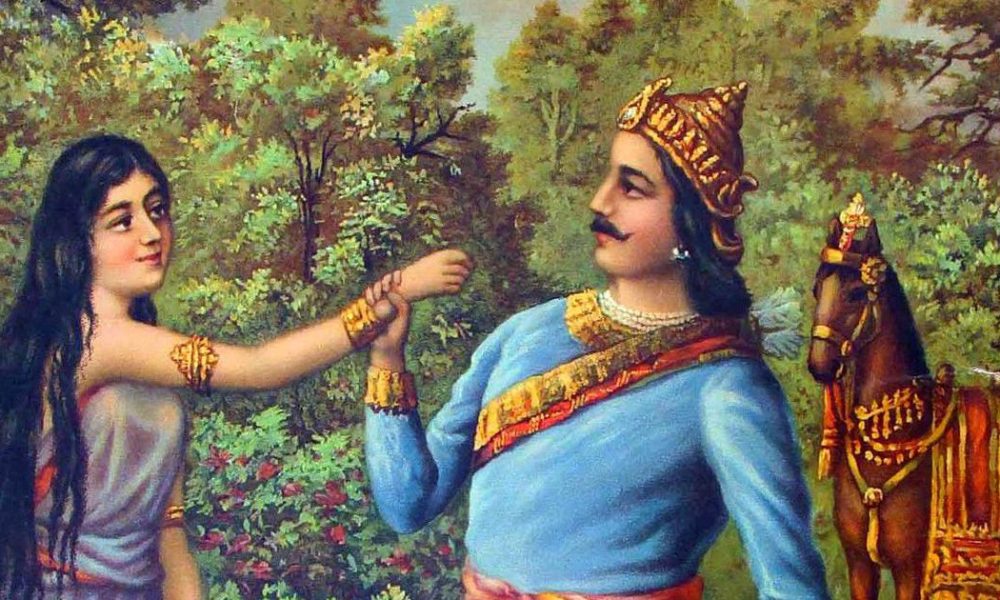
The Mahabharata, one of India’s great epics, is rich with tales that delve into human emotions and moral lessons. Among these narratives is the poignant story of Devayani, Sharmistha, and Yayati, which serves as a reflection on pride, betrayal, and the complexities of forgiveness.
Devayani, the daughter of Shukra, the esteemed guru of the Asuras, was known for her haughty demeanor. One day, while wandering through the forest with her friend Sharmistha, the daughter of the Asura king Vrishaparvan, their friendship took a tumultuous turn. A fierce argument erupted between the two, fueled by Devayani’s arrogance. In a fit of rage, Sharmistha pushed Devayani into a well, leaving her stranded and helpless.
It was during this moment of despair that Yayati, the king of the Chandravamsha dynasty, stumbled upon the well and rescued Devayani. Impressed by his valor and noble character, Devayani quickly resolved to marry him. After informing her father, Shukra, of her intentions, a marriage was arranged. However, Shukra imposed a condition on the union: Sharmistha would accompany Devayani as a servant in their household, but she must maintain her distance from Yayati.
Initially, the arrangement seemed to work well. Yayati devoted himself to Devayani, and they shared a life of comfort and respect, even welcoming sons into their family. Sharmistha, on the other hand, remained on the outskirts of their domestic life, silently observing as her own feelings of loneliness and longing grew over time. The years passed, and with them, the once-clear boundaries began to blur. Sharmistha’s yearning for connection only intensified, prompting her to reflect on her relationship with Devayani and the choices that had led them to such a precarious situation.
This narrative, although rooted in ancient mythology, resonates with contemporary themes of pride, friendship, and forgiveness. It reveals how pride can lead to destructive actions and how the journey towards healing often requires humility and understanding. The interplay of these emotions serves as a reminder of the need for compassion in our relationships, and the capacity for forgiveness that lies within us all. As we delve into the lessons from this tale, we find a timeless relevance that speaks to the fabric of human experiences across generations.
Source: scroll.in







No Comment! Be the first one.