

Karnataka Overturns Hijab Ban: A Step Towards Inclusivity or A Missed Opportunity?
The recent decision by the Karnataka government to revoke the hijab ban imposed by the previous Bharatiya Janata Party (BJP) administration marks a significant shift in the state’s educational...

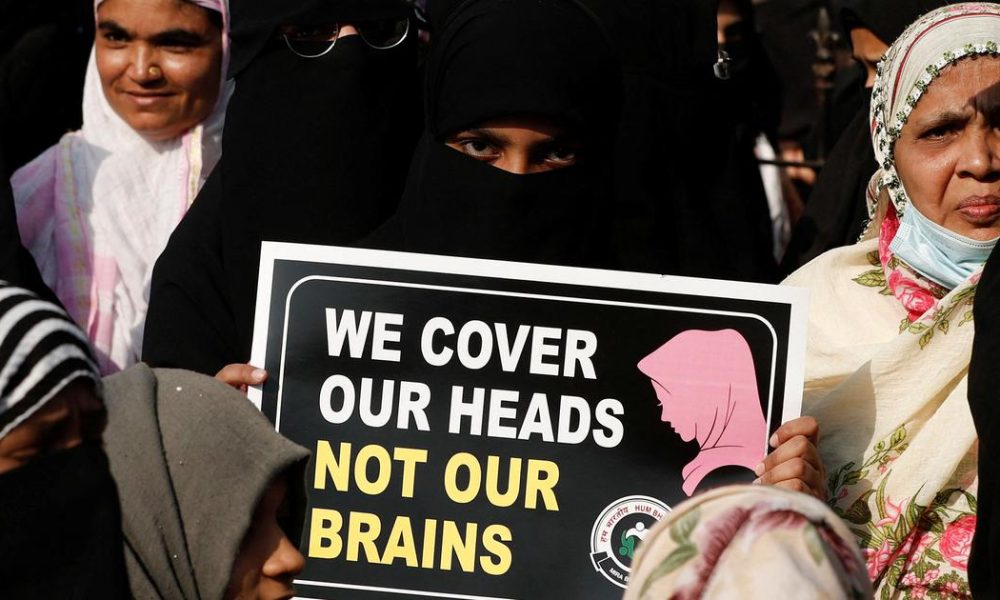
The recent decision by the Karnataka government to revoke the hijab ban imposed by the previous Bharatiya Janata Party (BJP) administration marks a significant shift in the state’s educational policy. This reversal has been widely interpreted as a necessary constitutional correction, yet it also highlights an uncomfortable reality: the repercussions of such bans do not simply vanish with their repeal. For many Muslim women who faced educational setbacks due to this prohibition, the damage has already been done, impacting their academic and professional trajectories.
The hijab has long been more than just a piece of clothing for these students; it represents a visible assertion of their identity within the public sphere. Testimonies from students like Aliya Assadi, AH Almast, Resham Farook, and Muskan Zainab—who bravely challenged the ban in court—illustrate that the issue transcended mere uniform guidelines. It delved into the heart of constitutional rights and whether they truly accommodate minority identities in educational settings.
The previous state government’s stance was alarming. It suggested that acceptance in public educational institutions could be contingent upon assimilation and conformity to a singular, dominant identity. This perspective prompted significant public outcry, evidenced by protests organized by groups such as the Sri Ram Sene, who recently demonstrated outside the Deputy Commissioner’s office in Kalaburagi against the new directive allowing religious symbols in schools. Their opposition underscores the ongoing tensions surrounding cultural and religious expressions in educational spaces.
Despite the Karnataka government’s recent announcement permitting students to wear religious symbols, including the hijab, alongside their school uniforms, the underlying societal challenges persist. Many critics argue that while the formal ban has been lifted, the broader cultural and institutional biases against minority identities may still hinder true equality. For those who were adversely affected by the ban, such as young women who had to set aside their dreams and ambitions, this reversal might feel too little, too late.
The situation in Karnataka serves as a critical reminder of the importance of inclusivity and respect for diversity within India’s educational framework. It raises essential questions about how policies are shaped and the lasting impact they have on the lives of individuals, particularly those from marginalized communities. Moving forward, it is imperative for the government and society at large to engage in meaningful dialogue that respects and honors the pluralistic ethos of the nation.
Source: scroll.in







No Comment! Be the first one.