

Understanding the Ascendancy of Hindutva and the BJP: A Comprehensive Reading List
As Prime Minister Narendra Modi approaches the milestone of 12 years in office this May, a significant portion of the Indian populace—approximately 750 million people, or half of the nation—has grown...

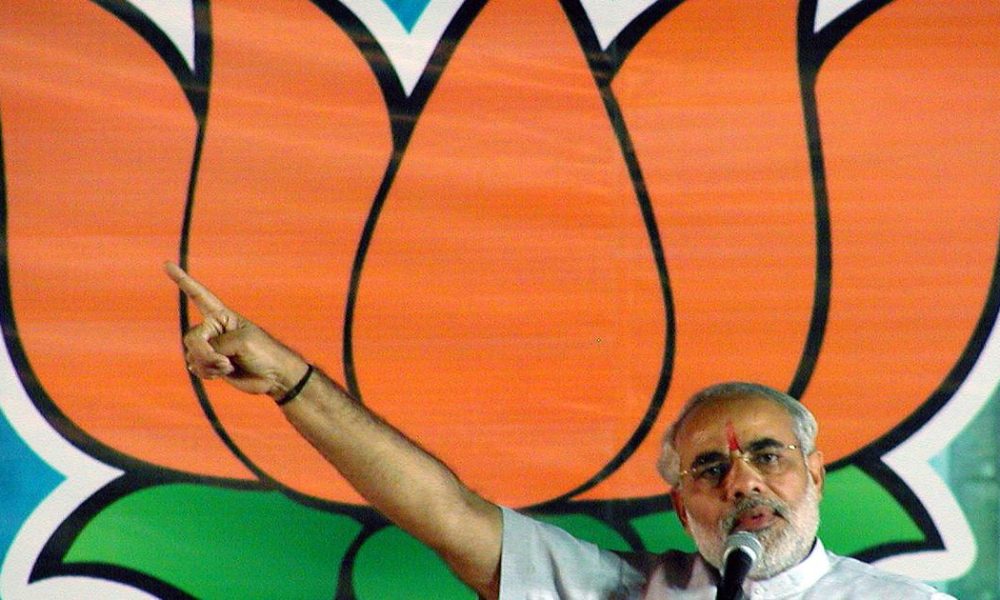
As Prime Minister Narendra Modi approaches the milestone of 12 years in office this May, a significant portion of the Indian populace—approximately 750 million people, or half of the nation—has grown up without experiencing any other national leadership. Modi’s decisive victory in the 2014 elections was pivotal, marking India’s first encounter with a majority government grounded in Hindu nationalism. The Bharatiya Janata Party (BJP), once a diminished force following the 1984 Lok Sabha elections when it secured only two seats, now stands as a central pillar in Indian political dynamics, even as it approaches the challenges of the 2024 elections.
Initially perceived as a party primarily supported by the North Indian “Hindi belt” and upper-caste demographics, the BJP has dramatically expanded its electoral appeal. It now attracts votes from diverse regions across India, cutting across caste, community, and even religious lines. This transformation has been fueled by the party’s underlying ideology—Hindutva—which, along with its affiliated organization, the Rashtriya Swayamsevak Sangh (RSS), has emerged as a formidable socio-political entity in the country. The influence of this ideology extends beyond Indian borders, positioning it as a significant phenomenon in global politics.
But how did the BJP and the RSS evolve into such influential forces? The narrative of their rise is intertwined with various socio-political factors, including economic reforms, cultural shifts, and grassroots mobilization strategies that have resonated with many Indians. The party’s adept use of modern communication tools and social media has also played a crucial role in its outreach, particularly among younger voters who constitute a substantial segment of the electorate.
In order to grasp the full scope of this political ascent and the complexities surrounding it, a deeper understanding of Hindutva, its historical roots, and the strategies employed by the BJP is essential. Recommended reading materials delve into the ideological foundations of the movement, the socio-economic policies implemented during Modi’s tenure, and the implications of a Hindu nationalist agenda for India’s secular fabric.
As the nation prepares for future elections, analyzing the rise of Hindutva and the BJP is not just a matter of political interest; it is crucial for understanding the broader currents shaping India’s societal landscape. Engaging with this material can provide valuable insights into the factors that will continue to influence Indian politics in the years to come.
Source: scroll.in







No Comment! Be the first one.