

WHO Labels Ebola Outbreak in DR Congo and Uganda as Global Health Emergency
The World Health Organization (WHO) has officially designated the ongoing Ebola outbreak in the Democratic Republic of Congo (DRC) and Uganda as a public health emergency of international concern....

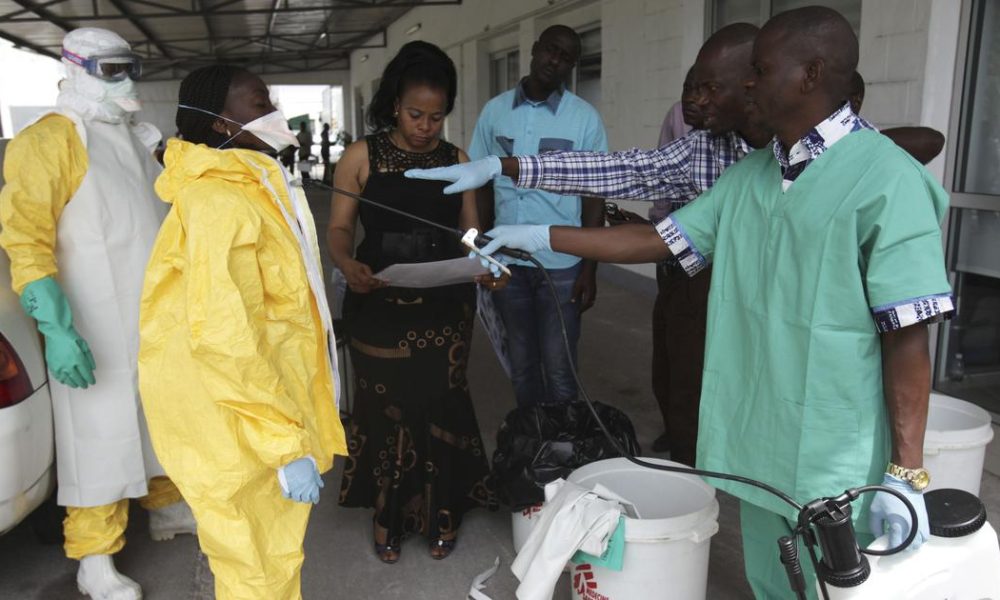
The World Health Organization (WHO) has officially designated the ongoing Ebola outbreak in the Democratic Republic of Congo (DRC) and Uganda as a public health emergency of international concern. This declaration comes after alarming reports indicated eight confirmed cases of the virus, along with 246 suspected cases and 80 possible fatalities emerging from Ituri province in the DRC. Additionally, cases have been identified in the capital city, Kinshasa, and neighboring Uganda, raising significant alarm among health officials.
The outbreak is attributed to the Bundibugyo strain of the Ebola virus. Despite the severity of the situation, the WHO clarified that the outbreak does not currently fulfill the criteria for a pandemic emergency. However, the patterns of suspected cases and clusters of deaths observed in Ituri suggest a potential for a much larger outbreak, posing substantial local and regional risks for further transmission.
Ebola is a viral disease that begins with sudden fever, profound fatigue, muscle aches, and a sore throat, which can quickly progress to more severe symptoms such as vomiting, diarrhea, and both internal and external bleeding. The virus is transmitted through direct contact with the blood, vomit, feces, or other bodily fluids of infected individuals. The prognosis for patients can be dire, with death often resulting from severe dehydration and multi-organ failure.
Health officials emphasize that no definitive cure exists for Ebola, and the disease carries an average fatality rate of approximately 50%. As the situation continues to develop, the WHO is urging countries, especially those in proximity to the outbreak, to bolster their health responses and preparedness to mitigate the risk of a wider epidemic.
This outbreak serves as a reminder of the persistent threat posed by viral diseases in the region. While the international community remains vigilant, the need for robust health infrastructure and proactive measures is more critical than ever. As the situation unfolds, attention will be focused not just on the immediate response but also on long-term strategies to prevent similar outbreaks in the future.
Source: scroll.in







No Comment! Be the first one.