

Government Tightens Silver Import Regulations to Conserve Foreign Exchange
The Union government has announced new restrictions on silver imports, transitioning several categories of the precious metal from a ‘free’ status to a ‘restricted’ one. This...

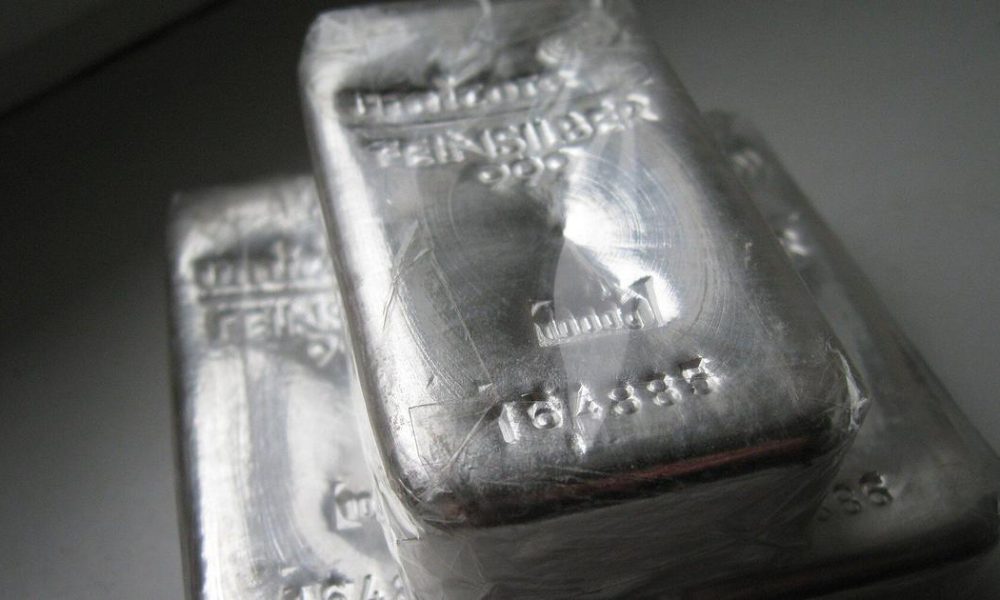
The Union government has announced new restrictions on silver imports, transitioning several categories of the precious metal from a ‘free’ status to a ‘restricted’ one. This significant policy shift mandates that imports of silver bars with a purity level of 99.9% or higher, along with other specified categories identified by Harmonised System (HS) codes, will now require prior authorization from the Directorate General of Foreign Trade (DGFT), which operates under the Ministry of Commerce and Industry.
This decision reflects the government’s strategy to enhance its oversight of precious metal imports, a move designed to alleviate mounting pressures on the nation’s foreign exchange reserves. By tightening these regulations, the government aims to mitigate the trade deficit and provide support to the depreciating Indian rupee, which has been facing pressure in the international markets.
In a related development earlier this week, the government also hiked import duties on both gold and silver from 6% to 15%. This increase comes in response to a surge in demand for gold as an investment, spurred by rising market prices and lackluster returns in equity markets over the past year. The government’s broader objective is to discourage excessive imports of gold and silver, which have historically contributed to trade imbalances.
India is one of the largest consumers of silver, using it in various applications from jewelry to industrial uses. With the new regulations, the import landscape for silver is set to change significantly. Importers will need to navigate additional bureaucratic hurdles to secure necessary approvals, which may ultimately affect the availability and pricing of silver in the domestic market.
Industry experts believe that while these measures could help stabilize the rupee and improve the trade deficit, they may also lead to increased costs for consumers. As traders and importers adapt to the new regulations, market dynamics could shift, impacting both investment trends and consumer prices in the coming months.
Source: scroll.in







No Comment! Be the first one.