

Integrating Real-World Experiences into Environmental Education: A Necessity for India
In an era where environmental challenges loom larger than ever, the need for effective environmental education has never been more critical. The latest episode of Eco India emphasizes that...

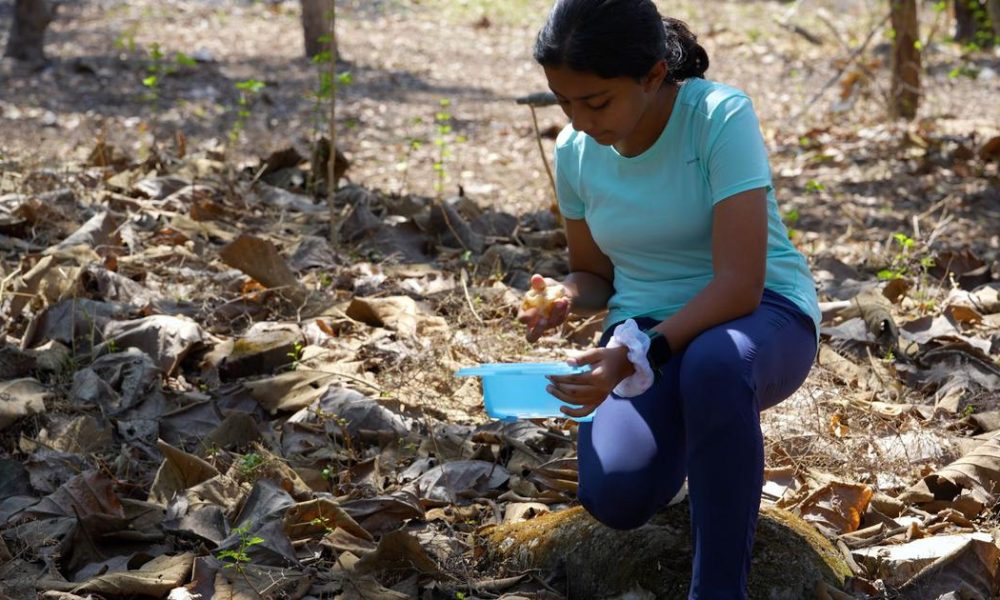
In an era where environmental challenges loom larger than ever, the need for effective environmental education has never been more critical. The latest episode of Eco India emphasizes that traditional classroom teaching alone is insufficient to equip students with the skills and knowledge necessary to tackle real-world ecological issues. It advocates for integrating practical, real-world experiences into the educational curriculum.
This approach is particularly relevant in the Indian context, where various environmental concerns, such as air and water pollution, waste management, and biodiversity loss, demand immediate attention. By engaging students in experiential learning—such as field studies, community projects, and hands-on workshops—educators can foster a deeper understanding of environmental issues. This method not only enriches academic knowledge but also empowers students to become active participants in sustainability efforts.
A key aspect of effective environmental education is its ability to resonate with students’ lived experiences. When learners can connect theoretical concepts to the realities they observe in their communities, they are more likely to develop a sense of responsibility towards the environment. For instance, involving students in local conservation projects can instill a sense of ownership and encourage them to advocate for environmental initiatives in their neighborhoods.
Moreover, incorporating local cultural practices and indigenous knowledge can enhance environmental education by providing context-specific insights. India is home to a plethora of traditional ecological wisdom, which can serve as a valuable resource in teaching students about sustainable living. By merging these local narratives with contemporary environmental science, educators can create a more holistic and relevant learning experience.
In conclusion, the episode underscores the urgent need for a paradigm shift in how environmental education is delivered in India. By prioritizing real-world lessons and fostering community involvement, educators can significantly enhance students’ understanding of environmental issues and motivate them to be proactive in creating a sustainable future. As we navigate the complexities of climate change and ecological degradation, preparing the next generation with the right tools and perspectives will be crucial for our collective survival.
Source: scroll.in







No Comment! Be the first one.