

Unveiling a Historical Proposal: Canadian Troops in Colonial India
At the dawn of the 20th century, Canada and India stood as two distant territories within the sprawling British Empire, each grappling with its own identity and challenges. While Canada was granted...

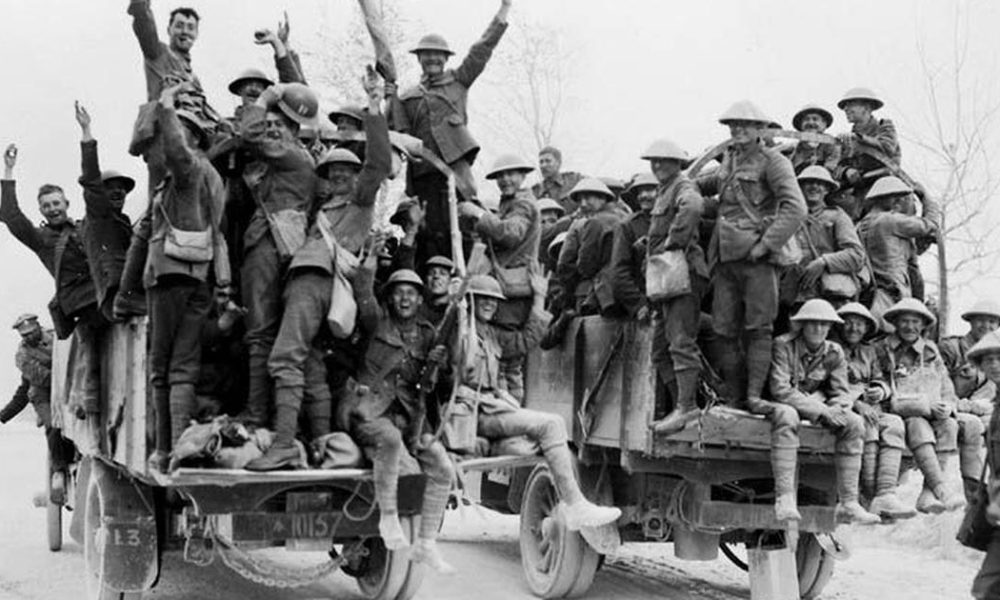
At the dawn of the 20th century, Canada and India stood as two distant territories within the sprawling British Empire, each grappling with its own identity and challenges. While Canada was granted Dominion status in 1867, India continued to be firmly under British colonial rule. The relationship between these two regions was complex, often marked by stories of conflict like the 1857 Indian Rebellion, which Canadian narratives frequently framed through a colonial lens, depicting Indians as ‘rebels’ and ‘seditious.’ However, alongside these narratives, there existed a current of empathy among Canadians for those suffering under the yoke of imperial governance.
In an effort to showcase this compassion, the Canadian government established the Canadian National India Famine Fund in 1897. Prime Minister Wilfrid Laurier emphasized the importance of support from Canada during periods of crisis in India, stating, ‘There has been consultation between the Governor-General and the Dominion Cabinet regarding the best mode of evoking and transmitting further practical sympathetic help on the part of all Canada for the relief of the present dire distress in India.’ This sentiment was echoed as relief efforts continued during the devastating famine of 1899-1900, which resulted in the loss of over four million lives.
Amid these tragic events, the Canadian government began to consider a somewhat unexpected proposition in 1904: utilizing India as a training ground for volunteer army units known as the Canadian Militia. This initiative aimed to enhance military readiness while simultaneously fostering a connection between Canadian soldiers and their imperial counterparts in India. Although the proposal did not materialize, it reflected a moment in history when the dynamics of colonial relationships were being re-evaluated.
The notion of Canadian soldiers training in India not only underscores the geographical and cultural disconnect between the two nations but also highlights the complexities of loyalty and identity within the British Empire. As Canada sought to carve out its own national identity, the military collaboration could have served as a bridge between the two regions. However, such plans remained largely forgotten, overshadowed by the growing nationalist sentiments in India and the global shifts leading to the eventual decolonization movements.
Today, as India and Canada continue to strengthen their bilateral ties, it is worthwhile to reflect on these historical narratives that remind us of the intertwined legacies of colonialism. Understanding the past is crucial for nurturing a future built on mutual respect and collaboration, as both nations navigate their independent paths in a rapidly changing world.
Source: scroll.in







No Comment! Be the first one.