

Opposition Accuses Modi Government of Quid Pro Quo Over Adani Charges
On Friday, Indian opposition leaders raised serious concerns regarding the potential collusion between the Narendra Modi administration and the United States government, following reports that the...

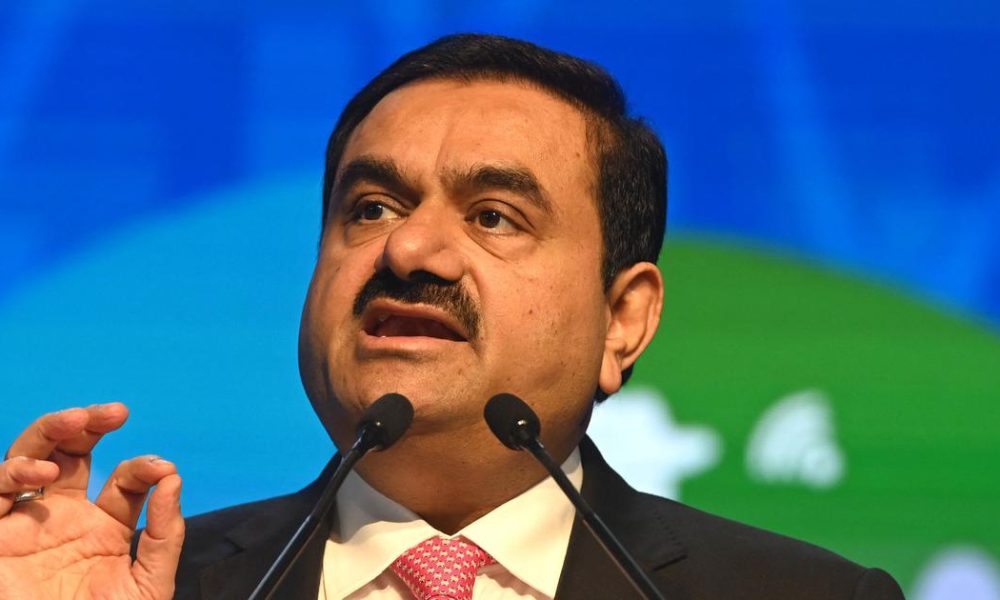
On Friday, Indian opposition leaders raised serious concerns regarding the potential collusion between the Narendra Modi administration and the United States government, following reports that the U.S. Department of Justice may drop fraud charges against Gautam Adani, the chairman of the Adani Group. The allegations stem from a report by The New York Times, which suggests that the U.S. decision came after Adani enlisted the services of Robert J. Giuffra Jr., a prominent lawyer and former attorney for Donald Trump.
Congress leader Rahul Gandhi did not mince words in his critique, taking to social media to assert that the Prime Minister has compromised national integrity. He stated, “The compromised PM has not struck a trade deal, but a bargain for Adani’s release,” implying that there are underhanded dealings at play that prioritize corporate interests over those of the nation.
The sentiment was echoed by Manoj Kumar Jha, a Member of Parliament from the Rashtriya Janata Dal, who emphasized the need for transparency in the negotiations involving the trade deal between India and the U.S. He pointed out that the opposition had previously flagged concerns about the fairness of the trade agreement, suggesting that it was not in India’s best interests and lacked a balanced approach. Jha remarked, “It now seems apparent why we have been demanding clarity on the trade deal,” indicating a growing suspicion surrounding the motivations behind the negotiations.
These comments follow a broader pattern of scrutiny aimed at the current government’s foreign dealings. The opposition has consistently argued that the Modi administration has failed to protect India’s economic interests while engaging with global partners. The context of these accusations raises questions about the relationship between political power and corporate influence in India, particularly as the nation strives for economic growth.
The ongoing situation highlights the complexities of international trade agreements and their implications for domestic politics. As the Indian government prepares for future talks with the United States, the opposition’s critique may resonate with a public increasingly wary of the influence of big business on political decisions. This scenario sets the stage for a contentious political landscape, as both parties navigate the intricate balance between national interests and international relations.
Source: scroll.in







No Comment! Be the first one.