

The Political Dynamics of Trade: How Leaders Manipulate Commerce for Power
Trade is evolving into a strategic tool in the hands of global leaders, serving not just as an economic driver but as a weapon for political maneuvering. This phenomenon is particularly relevant in...

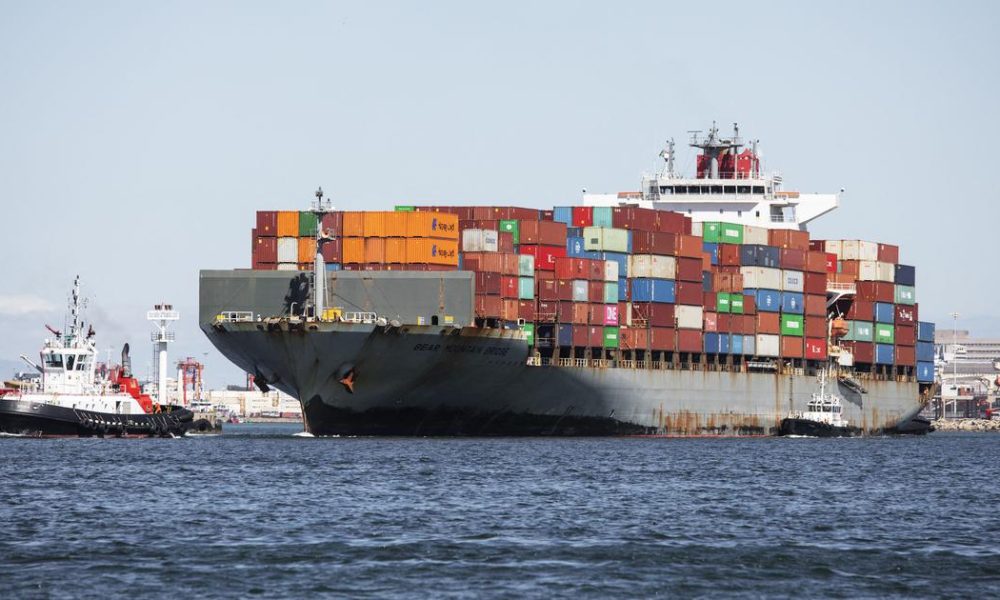
Trade is evolving into a strategic tool in the hands of global leaders, serving not just as an economic driver but as a weapon for political maneuvering. This phenomenon is particularly relevant in the context of international relations, where economic sanctions and trade agreements can significantly influence governmental policies and internal governance. Understanding how leaders leverage trade can reveal much about their decision-making processes and the intricate balance of power on the world stage.
In many cases, trade can act as a coercive instrument, compelling nations to alter their policies or rethink their political strategies. This is crucial to comprehend, especially regarding the often complex decision-making equations that leaders of various countries navigate. Misinterpretations of these leaders as erratic or irrational can stem from a lack of understanding of the various factors that influence their actions. For example, a leader driven by paranoia may perceive even minor threats as monumental, while another might disregard credible warnings in favor of personal ambitions or fantastical visions.
The effectiveness of trade as a coercive tool relies heavily on multiple factors, including the resources available to those applying pressure and the specific circumstances of the nation under scrutiny. This dynamic is evident in historical contexts, such as the United States’ long-standing embargo on Cuba, which aimed for a regime change yet did not achieve its goals. This failure illustrates the complexities involved in utilizing trade as a means of altering political landscapes; the task of forcing a change in leadership through sanctions is often fraught with challenges.
As India navigates its own trade relations, particularly in a rapidly changing geopolitical environment, understanding the potential for trade to act as a weapon becomes increasingly important. The Indian government must consider how its trade policies can be used strategically, not only to boost its economy but also to enhance its political leverage on the world stage. With rising tensions globally, India faces the challenge of crafting policies that achieve not just economic growth but also diplomatic success.
In conclusion, the weaponization of trade offers a compelling lens through which to examine international relations. It highlights the need for leaders to be astute in their understanding of both their own agendas and the equations that govern other nations. As trade continues to play a pivotal role in global politics, the implications for countries like India are profound, necessitating a nuanced approach to its trade strategies and international collaborations.
Source: scroll.in







No Comment! Be the first one.