

Wind Farms in India: A Hidden Menace to Bat Populations, Warns Experts
As India continues to expand its renewable energy sector, experts are raising alarms about the potential dangers wind farms pose to local bat populations. While these facilities are often lauded for...

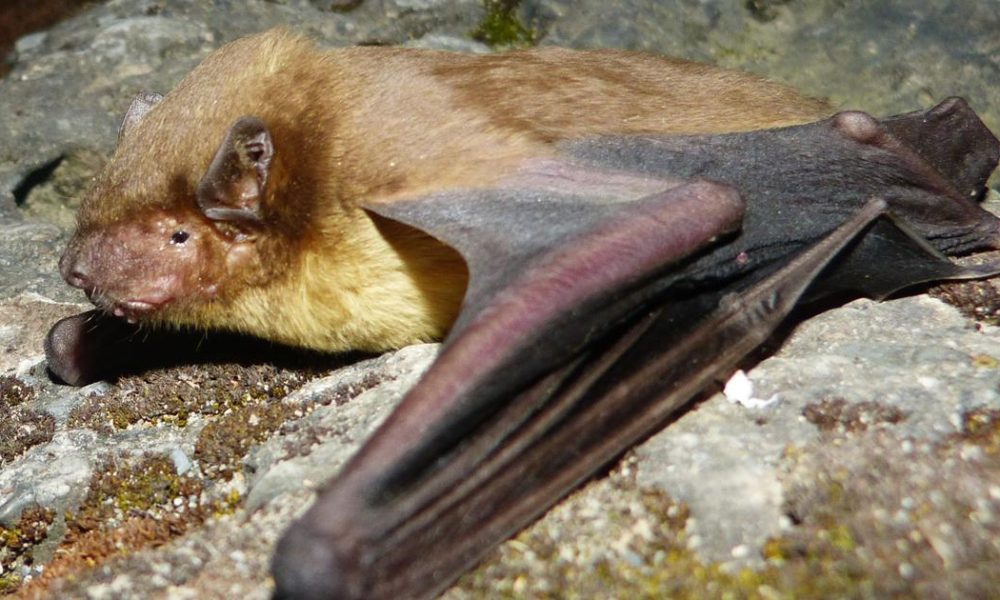
As India continues to expand its renewable energy sector, experts are raising alarms about the potential dangers wind farms pose to local bat populations. While these facilities are often lauded for their contribution to clean energy, wildlife advocates are highlighting a darker reality: the millions of bats that fall victim to collisions with wind turbines every year.
A recent report by the Convention on the Conservation of Migratory Species and Wild Animals (CMS) underscores that bat species globally are already grappling with numerous threats, including habitat destruction due to deforestation, human persecution, and the repercussions of climate change. Yet, discussions surrounding biodiversity often overlook the negative impacts that renewable energy infrastructure, such as wind farms, can have on wildlife.
The latest findings from the State of Indian Bats report identify wind turbines as a significant risk factor for Indian bat species. Notably, India is home to approximately 135 bat species, representing around 10% of the world’s bat diversity, with 16 species endemic to the country. However, research in this area is still in its infancy, with crucial gaps in data that need addressing. Bat researcher Rohit Chakravarty points out three main areas where information is lacking: the identification of the most affected species, the extent of mortality rates, and whether there are seasonal patterns influencing bat fatalities.
Of the 122 bat species assessed by the International Union for Conservation of Nature (IUCN) in India, only 23% are considered to have stable populations, while the majority are on the decline. This alarming statistic raises urgent questions about the underlying causes of these trends, particularly in relation to collisions with wind turbines. The environmental community is calling for more comprehensive studies to assess the impact of wind energy on these vital mammals.
As India progresses on its renewable energy journey, it is imperative that the balance between energy production and biodiversity preservation is maintained. Developing strategies to mitigate the risks posed to wildlife, especially to vulnerable bat species, is essential for ensuring a sustainable future. As the country invests further in wind energy, incorporating wildlife conservation measures into the planning and operation of these farms will be crucial in safeguarding both bats and the broader ecosystem.
Source: scroll.in







No Comment! Be the first one.