

Odisha Man Exhumes Sister’s Remains to Withdraw Savings from Bank
In a shocking incident in Odisha’s Keonjhar district, an Adivasi man named Jeetu Munda took the extreme step of exhuming his deceased sister’s body to demonstrate her death to a local bank....

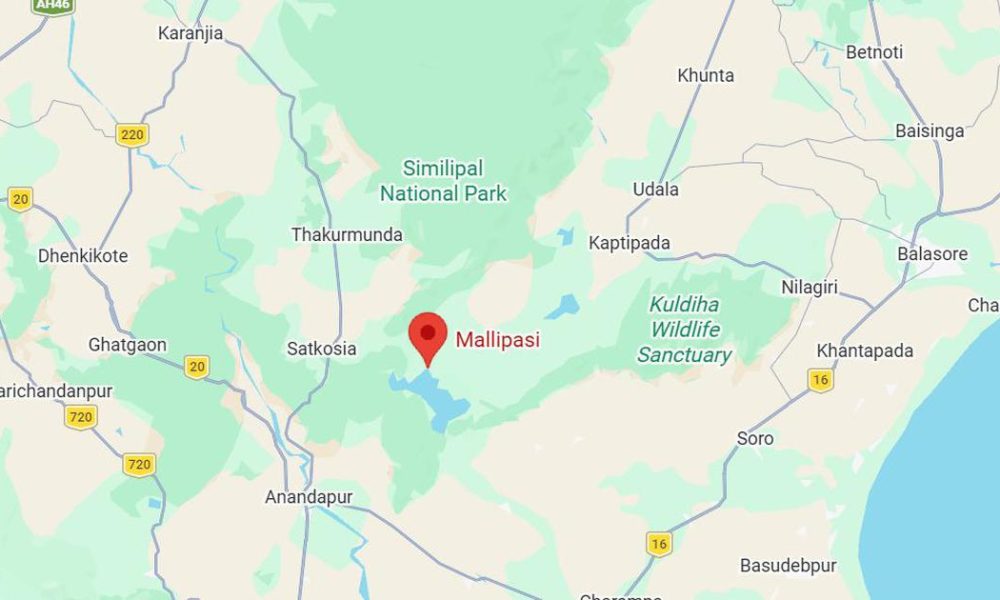
In a shocking incident in Odisha’s Keonjhar district, an Adivasi man named Jeetu Munda took the extreme step of exhuming his deceased sister’s body to demonstrate her death to a local bank. This unusual occurrence took place at the Maliposi branch of the Odisha Grameen Bank, where Munda was attempting to withdraw ₹20,000 from the account of his sister, Kalra Munda, who passed away two months ago.
The circumstances leading to this event highlight significant gaps in communication and understanding within banking procedures, particularly for less educated individuals in rural areas. Jeetu Munda, frustrated by repeated visits to the bank where he was told he needed to bring his sister along to access her funds, resorted to this drastic measure to prove that she had indeed died. According to PTI, Munda expressed his exasperation, stating, “I have gone several times to the bank, and the people there told me to bring the account holder to withdraw money deposited in her name. Though I told them that she had died, they insisted on bringing her to the bank.”
Kalra Munda, the account holder, died on January 26, leaving behind a grieving family. Her husband and child had also passed away earlier, leaving Jeetu as the sole caretaker. This incident is a stark reminder of the challenges faced by marginalized communities in navigating the bureaucratic systems, which often lack sensitivity and awareness of local contexts.
Local authorities have since intervened, with Kiran Prasad Sahu, the inspector-in-charge of the Patna police station, noting the failure of the bank to provide adequate guidance to Jeetu Munda regarding the withdrawal process. The police later took custody of the skeletal remains and reburied them, ensuring a respectful conclusion to a deeply distressing situation.
This incident has sparked discussions about the need for banks and financial institutions to implement clearer communication strategies and protocols, particularly for vulnerable populations. It emphasizes the importance of training bank staff to be empathetic and understanding of the socio-economic contexts of their clients. As rural India continues to evolve, ensuring that all citizens, regardless of their educational background, have access to their rights and entitlements is crucial for fostering a more inclusive financial system.
Source: scroll.in






No Comment! Be the first one.