

Understanding the Stalemate: The Complex Dynamics of the US-Israel-Iran Conflict
The intricate relationship between the United States, Israel, and Iran has been a focal point of international relations for decades. A pressing question that often arises is: what does victory over...

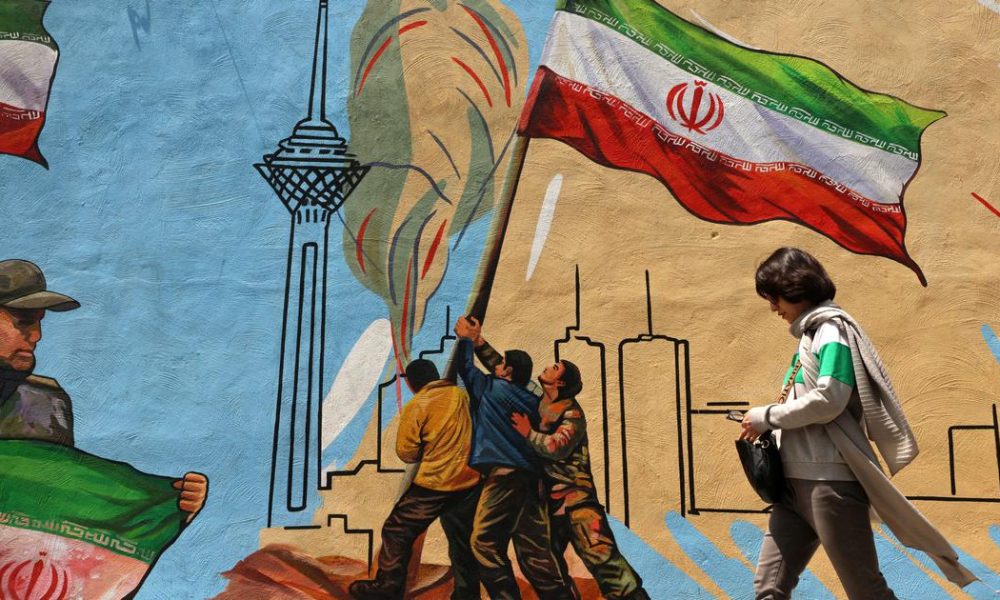
The intricate relationship between the United States, Israel, and Iran has been a focal point of international relations for decades. A pressing question that often arises is: what does victory over Iran truly mean for Washington and Jerusalem? On the surface, the responses from the US and Israeli leadership appear straightforward: they aim to dismantle Iran’s nuclear ambitions, curb its influence in the Middle East, and possibly instigate a change in the Iranian regime. This perspective suggests a traditional view of warfare with a clear objective and an endpoint.
However, this narrative shifts dramatically when viewed from Tehran’s lens. For Iran, the concept of victory is fundamentally different—it is about survival. This asymmetry in the definition of success plays a critical role in shaping the ongoing conflict. In scenarios like this, the party that requires less to claim victory often holds the upper hand. Currently, Iran appears to require significantly less, reinforcing its position.
There is no denying the stark military disparity between these actors. The US and Israel possess advanced military capabilities that allow for precise and far-reaching strikes, as demonstrated in various operations targeting Iranian infrastructure and leadership. Despite this military prowess, tactical achievements have not translated into meaningful political progress. Iran’s governmental framework remains resilient, its internal structures intact, and its military and ideological networks operational. Even its most sensitive capabilities, including advancements in nuclear technology, have proven to be robust.
A critical miscalculation lies in the assumption that Tehran is engaged in the same strategic game as Washington. In reality, Iran is not focused on outright defeating the US or Israel. Instead, its strategy revolves around endurance—aiming to outlast its adversaries, complicate their objectives, and maintain its regional influence. This dynamic raises significant questions about the effectiveness of the current strategies employed by the US and Israel and whether they truly understand the mindset of their adversary.
As tensions continue to simmer, it becomes increasingly clear that the path to resolution is neither straightforward nor quick. The entrenched positions of Washington and Jerusalem may lead to a prolonged engagement that some analysts might label a ‘forever war.’ In this context, a deeper understanding of the motivations and strategies of all parties involved is essential for comprehending the complexities of this enduring conflict.
Source: scroll.in







No Comment! Be the first one.