

Kejriwal Declines to Testify in Liquor Policy Case as BJP Strengthens Its Position in Rajya Sabha
Aam Aadmi Party (AAP) leader Arvind Kejriwal has indicated that he will not personally appear before a Delhi High Court, nor will he be represented by a lawyer, in a significant case concerning the...

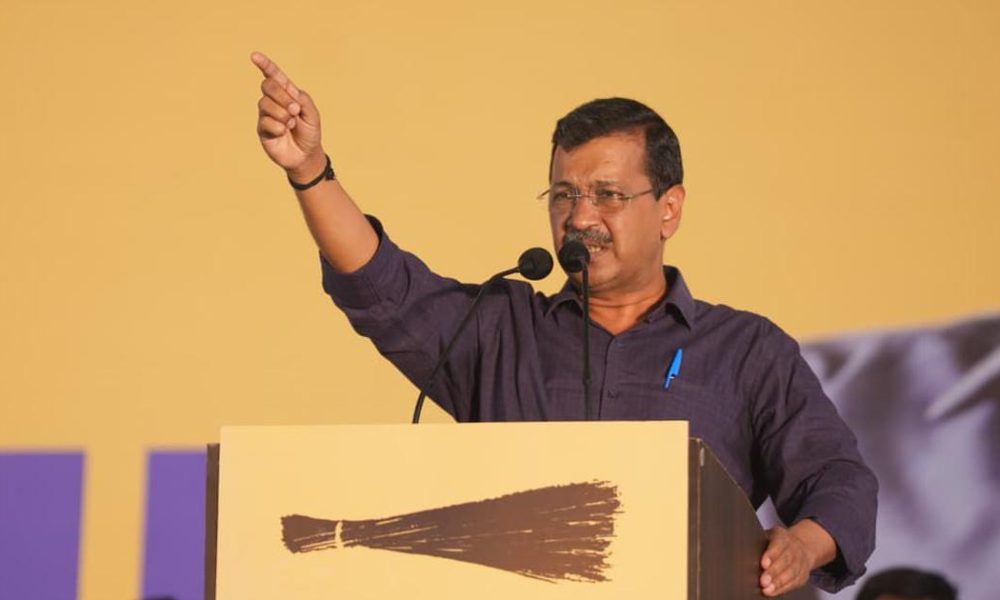
Aam Aadmi Party (AAP) leader Arvind Kejriwal has indicated that he will not personally appear before a Delhi High Court, nor will he be represented by a lawyer, in a significant case concerning the Delhi government’s liquor policy. The court, presided over by Justice Swarana Kanta Sharma, is currently reviewing a challenge from the Central Bureau of Investigation (CBI) regarding Kejriwal and several other individuals who were previously discharged from the case.
This decision comes on the heels of a rejection of Kejriwal’s request for Justice Sharma to recuse herself from the case. The AAP chief has previously expressed concerns about the judge’s potential biases, notably citing her past participation in events associated with the Rashtriya Swayamsevak Sangh (RSS), a well-known Hindu nationalist organization. Kejriwal has also pointed out that the judge’s children have been appointed as counsels by the Union government and have received assignments from Solicitor General Tushar Mehta, who represents the CBI in the ongoing proceedings.
In another notable political development, the Bharatiya Janata Party (BJP) has bolstered its strength in the Rajya Sabha, the upper house of Parliament, to a total of 113 members. This shift follows the formal merger of the AAP’s legislative party in the Rajya Sabha with the BJP, marking a significant change in the dynamics of Indian politics. The party now commands a more formidable presence, which could influence legislative decisions and the direction of future policies.
The merger was confirmed by Rajya Sabha chairperson CP Radhakrishnan, highlighting a strategic move that could reshape alliances and power structures within the Indian political landscape. The BJP’s growing majority in the Rajya Sabha, where it previously held a substantial number of seats, could likely play a crucial role in advancing its legislative agenda, particularly in areas related to national governance and public policy.
The intertwining of legal challenges and political maneuvers continues to underscore the complexities within India’s current political framework. As Kejriwal navigates these turbulent waters, the ramifications of the CBI’s inquiries and the BJP’s strengthened position will undoubtedly be felt across various sectors of governance.
Source: scroll.in




No Comment! Be the first one.