

Innovative Approaches to Pashmina Silk Production: Embracing Natural Dyes and Silkworm Nutrition
Kashmir’s textile heritage is renowned worldwide, particularly for its exquisite Pashmina shawls and luxurious silks. However, the production of vibrant colors often comes at a significant...

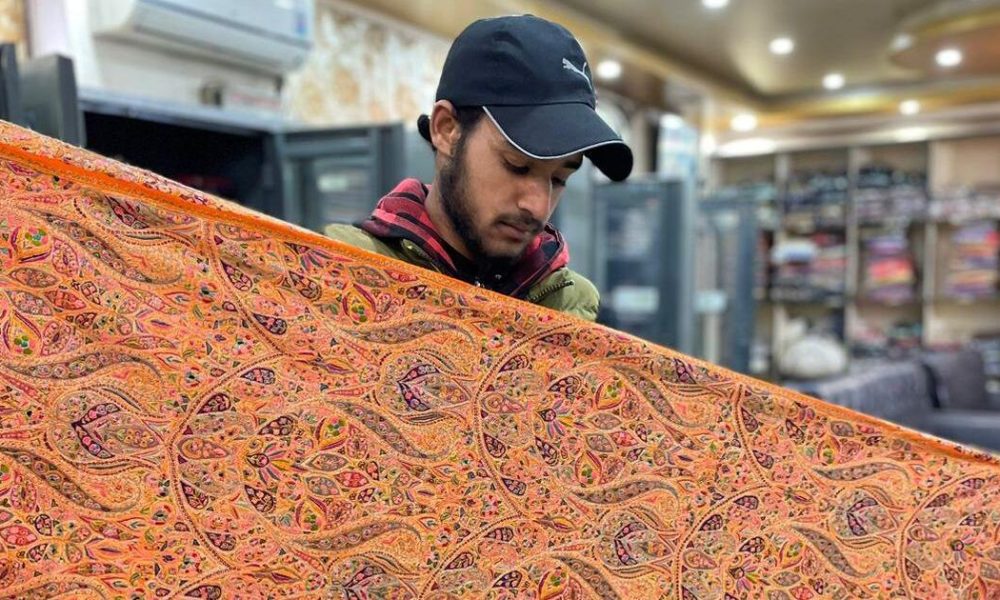
Kashmir’s textile heritage is renowned worldwide, particularly for its exquisite Pashmina shawls and luxurious silks. However, the production of vibrant colors often comes at a significant environmental cost. Current practices in the textile industry frequently rely on synthetic dyes, which pose a serious threat to local ecosystems. Studies reveal that the dyeing processes in textile manufacturing are major contributors to water pollution, as untreated wastewater laden with harmful chemicals is frequently released into rivers, adversely affecting aquatic life.
In response to these challenges, researchers in Kashmir are pioneering sustainable alternatives for dyeing Pashmina and silk. They are investigating the use of plant-based natural dyes and experimenting with pigment-rich diets for silkworms. By feeding silkworms these specially formulated diets, they aim to produce silk that boasts natural colors, thereby mitigating the environmental impact associated with traditional dyeing methods. This innovative approach seeks not only to reduce pollution but also to preserve the value of high-end natural fibers.
Pashmina, regarded as one of the most luxurious natural fibers, is sourced from the fine wool of Changthangi goats, which thrive in the frigid, high-altitude regions of Ladakh. These goats are typically found at elevations of 3,500 to 4,000 meters above sea level on the Changthang plateau, where climatic conditions contribute to the quality of the fiber. The traditional craftsmanship of Kashmiri artisans is intricately tied to the global reputation of Pashmina, adding layers of cultural significance to the production process.
The shift towards natural dyes is not merely a response to environmental concerns but also an opportunity to enhance the market appeal of Pashmina. Consumers are increasingly drawn to sustainable and eco-friendly products, and this trend aligns seamlessly with Kashmir’s rich textile legacy. By embracing natural solutions, researchers and artisans alike are striving to maintain the luxurious essence of Pashmina while ensuring that its production process is environmentally responsible.
As the textile industry continues to grapple with the repercussions of pollution, innovations in dyeing and silkworm feeding practices present a promising path forward. This not only helps in preserving the beauty of Kashmir’s textiles but also contributes to the broader global efforts aimed at sustainable fashion. The future of Pashmina production lies in the intersection of tradition and innovation, paving the way for a greener and more sustainable textile industry.
Source: scroll.in







No Comment! Be the first one.