

Reviving the Delimitation Debate: Rethinking Lok Sabha Representation in India
The recent rejection of the 131st Constitutional Amendment Bill in Parliament has sparked renewed discussions on the crucial issue of delimitation in India. Delimitation involves redrawing electoral...

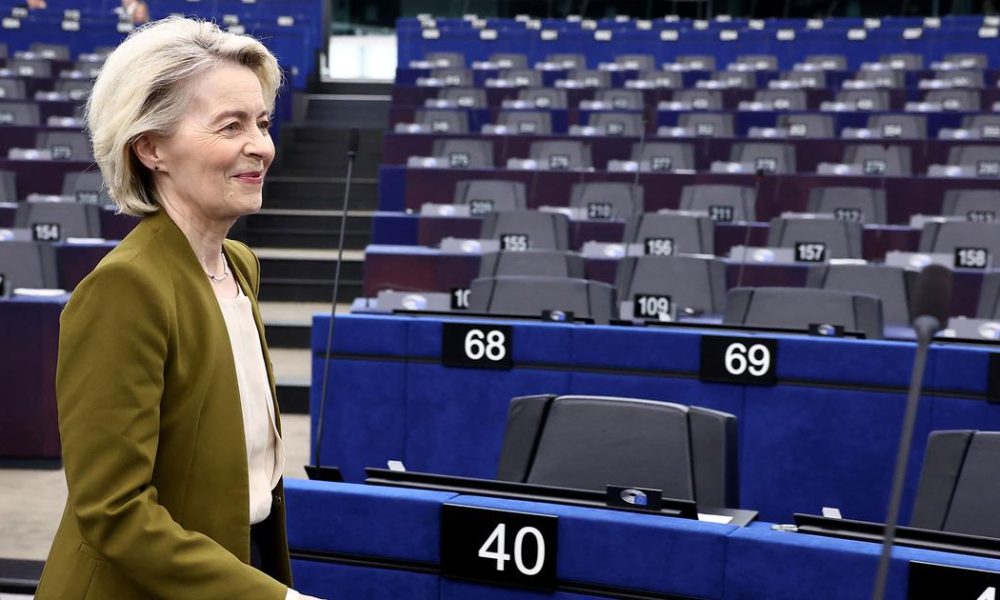
The recent rejection of the 131st Constitutional Amendment Bill in Parliament has sparked renewed discussions on the crucial issue of delimitation in India. Delimitation involves redrawing electoral constituency boundaries to ensure equitable representation based on population demographics. The proposed bill aimed to raise the Lok Sabha’s maximum strength to 850 members, yet it failed to achieve the necessary two-thirds majority due to its reliance on the 2011 Census data, which many argued did not adhere to the constitutional mandate to hold off until the first Census after 2026.
Critics, particularly from Southern states, expressed concern that implementing delimitation based on outdated population figures would disproportionately disadvantage them. These regions have made significant strides in controlling population growth compared to their Northern counterparts, leading to fears that they could lose representation in a larger Lok Sabha. This situation poses a pressing challenge: how to balance fair representation while acknowledging regional population variations.
The defeat of the delimitation bill underscores the urgency of addressing these issues as India considers how to allocate seats in an expanded Lok Sabha. Observers suggest that looking to international examples, such as the “Cambridge compromise” of 2011, might offer valuable insights. This example from Europe involved innovative approaches to seat distribution, taking into account demographic trends and regional growth disparities.
As the population of India continues to swell, currently exceeding 1.5 billion, the need for a re-evaluated representation model becomes increasingly evident. The existing Lok Sabha, with its current composition, struggles to reflect the diverse and dynamic demographics of the nation. The question now is how to create a system that not only represents the populace effectively but also respects the unique characteristics of different states and regions.
Moving forward, policymakers in India face the daunting task of crafting a delimitation strategy that is fair, transparent, and reflective of the current demographic realities. The conversation must include all stakeholders, ensuring that the voices of every state are heard, particularly those worried about their shrinking representation. The road ahead calls for creative solutions and collaborative efforts to redefine political representation in a rapidly changing nation.
Source: scroll.in





No Comment! Be the first one.