

Remembering Raghu Rai: A Master Photographer and Chronicler of Human Resilience
The world of photography has witnessed the passing of a luminary with the death of Raghu Rai, who left an indelible mark on the art through his keen observations and unique storytelling ability. Born...

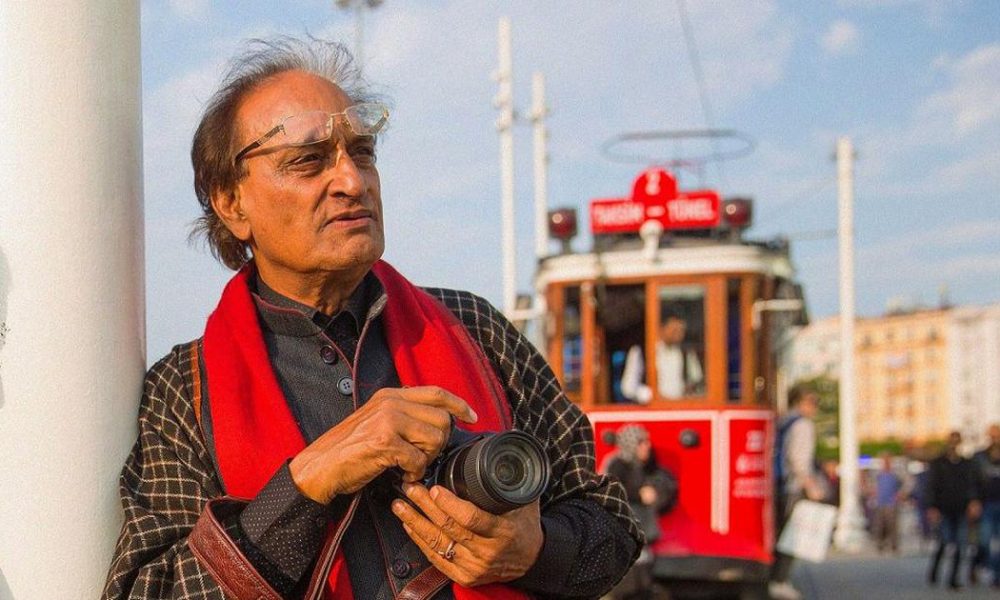
The world of photography has witnessed the passing of a luminary with the death of Raghu Rai, who left an indelible mark on the art through his keen observations and unique storytelling ability. Born in 1942, Rai was not just a photographer; he was a visual historian who intricately documented the myriad facets of human life, particularly in times of turmoil and displacement.
Rai’s career began to flourish under the mentorship of the legendary Henri Cartier-Bresson, a pioneer in the field of photojournalism. His work spanned several decades and included significant publications like The Statesman and India Today, where his photographs brought to life critical historical events. Among his most impactful contributions were images captured during the Bangladesh Liberation War in 1971 and the Bhopal gas tragedy in 1984, both of which showcased the dramatic and often devastating realities of human existence.
Rai’s photographic style was characterized by an uncanny ability to seize moments that transcended time, transforming everyday scenes into profound statements about survival and resilience. His photographs delved deep into the themes of calamity—be it natural disasters, political strife, or the more subtle yet no less poignant challenges of everyday life. His body of work often invited viewers to confront uncomfortable truths, pushing them to grapple with the complexities of suffering and empathy.
In particular, his haunting images from the Bhopal gas tragedy stand out as poignant reminders of human vulnerability. Through striking portrayals of empty gazes and faces marked by despair, Rai not only captured a moment in time but also invoked a haunting narrative that forced society to confront its own complicity in ignoring such tragedies. His lens was a mirror, reflecting the pain of those caught in catastrophic events, yet it also sparked a dialogue about hope and resilience amidst suffering.
As we remember Raghu Rai, it is essential to acknowledge his profound influence on photography and journalism in India. He was not merely an observer; he was a storyteller whose work continues to inspire new generations of photographers and artists. His legacy lies in his ability to make the unseen visible, encouraging audiences to engage with the realities of life that are often overlooked.
Source: scroll.in





No Comment! Be the first one.