

Gated Communities: A Growing Divide in India’s Urban Landscape
In the bustling metropolises of India—Delhi, Kolkata, and Mumbai—over 75 million residents navigate the complexities of urban life. However, a recent economic survey highlights a troubling trend: the...

In the bustling metropolises of India—Delhi, Kolkata, and Mumbai—over 75 million residents navigate the complexities of urban life. However, a recent economic survey highlights a troubling trend: the increase in wealth disparity within these cities. Despite their designation as ‘engines of growth’ and ‘magnets for talent’, India’s largest cities are grappling with significant challenges in terms of livability and urban productivity.
The Union government’s Economic Survey for 2025-26 reveals that population growth in these urban centers has not resulted in better living conditions or enhanced economic impact. Although urban local bodies have received substantial financial support amounting to ₹8.36 lakh crore over the past decade, a report by Janaagraha and the Jana Urban Space Foundation indicates that the quality of urban life remains inadequate.
Experts attribute this stagnation to the fragmented governance of urban areas, where authority is diluted among various local bodies, state departments, and parastatal agencies. This lack of cohesive planning and execution has hindered local governments from effectively addressing the needs of their communities, resulting in long commutes, inconsistent public services, and shared spaces that fail to meet residents’ expectations.
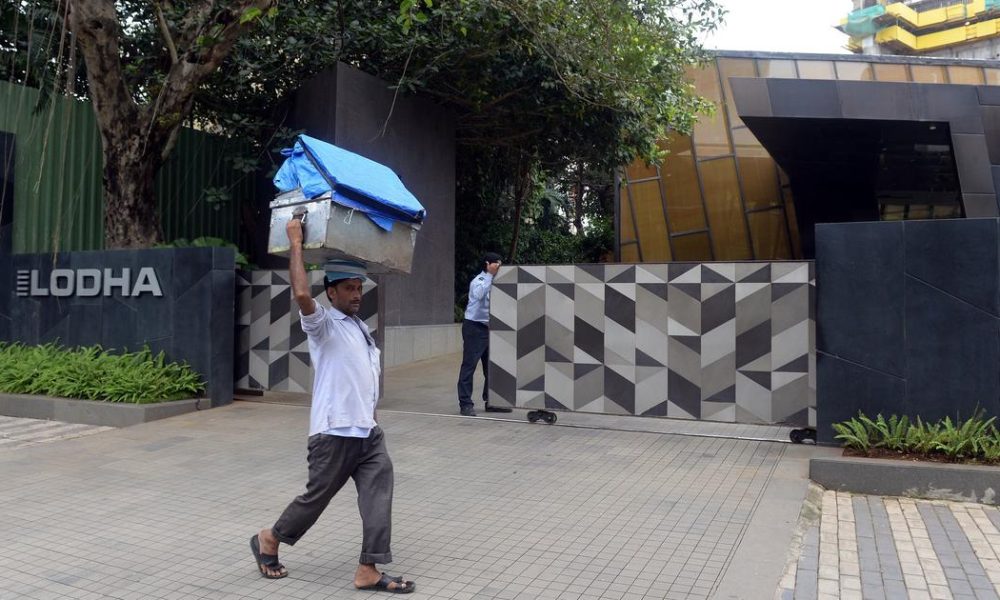
As India’s urban population is projected to increase from 522 million today to a staggering 723 million by 2050, the urgency for reform in urban governance has never been greater. The rise of gated communities, where affluent citizens retreat for a semblance of security and comfort, exacerbates the divide. These enclaves not only isolate the wealthy but also contribute to the erosion of communal spaces where diverse populations can interact.
To reverse this trend and mitigate urban inequality, experts call for empowering local governments with the necessary tools and authority to manage urban affairs more effectively. Without significant changes in urban management and planning, the widening gap between different socio-economic groups will continue to deepen, posing a threat to social cohesion and the overall health of Indian cities.
Source: scroll.in







No Comment! Be the first one.