

Election Commission Imposes Restrictions on Non-Residents in West Bengal Polling Booths
In a significant move ahead of the West Bengal Assembly elections, the Election Commission (EC) has implemented a ban on non-residents in residential complexes that have been designated as polling...

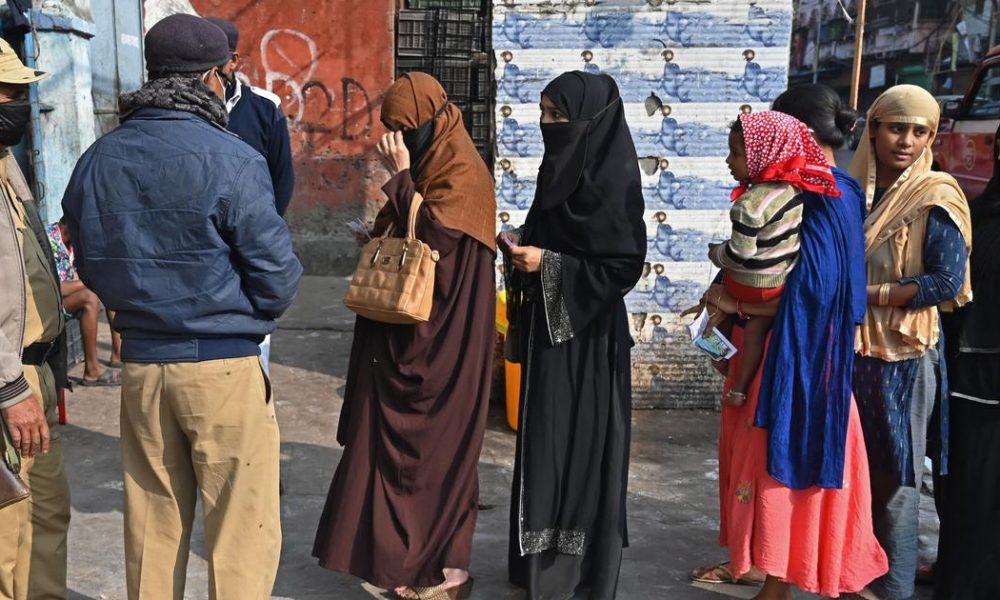
In a significant move ahead of the West Bengal Assembly elections, the Election Commission (EC) has implemented a ban on non-residents in residential complexes that have been designated as polling booths. This directive, as reported by The Times of India, was announced by the state’s Chief Electoral Officer, Manoj Agarwal, on Tuesday. The measure is aimed at ensuring a smooth electoral process while maintaining the integrity of the voting environment.
Agarwal emphasized that individuals who are not registered voters in the respective constituencies will not be permitted to stay as guests in these housing societies. This restriction will remain enforced until the conclusion of the second phase of voting, which is scheduled for April 29, with results to be revealed on May 4. The decision reflects the EC’s commitment to safeguarding the electoral process in light of past concerns regarding undue influence and disturbances during polling.
The restrictions on non-residents come shortly after the EC announced additional measures to enhance security and order during the election period. These include limitations on motorcycle use during nighttime hours and a prohibition on tourist activities at Digha, a well-known beach destination within the state. Such regulations aim to minimize potential disruptions that could affect voter turnout and the overall election experience.
Moreover, the EC has also placed a 96-hour ban on the sale of alcoholic beverages leading up to the polling dates. This extended prohibition exceeds the typical 48-hour liquor ban imposed before elections across the country, indicating the commission’s stringent approach in this context. These steps reflect the EC’s proactive stance in addressing potential challenges and ensuring that the electoral process remains transparent and fair.
With polling set to take place in two phases, the first on April 23 and the second on April 29, voters are encouraged to participate actively while being aware of the new regulations. The EC’s series of restrictions underscores the importance of a free and fair electoral process in West Bengal, particularly in a politically charged environment. As the state gears up for the elections, officials and citizens alike are urged to comply with these measures to facilitate a smooth polling experience.
Source: scroll.in







No Comment! Be the first one.