

Nepal’s Home Minister Sudan Gurung Resigns Amid Financial Conduct Controversy
Nepal’s political landscape witnessed a significant shake-up on Wednesday as Home Minister Sudan Gurung announced his resignation, just weeks after assuming office. His decision came in the...

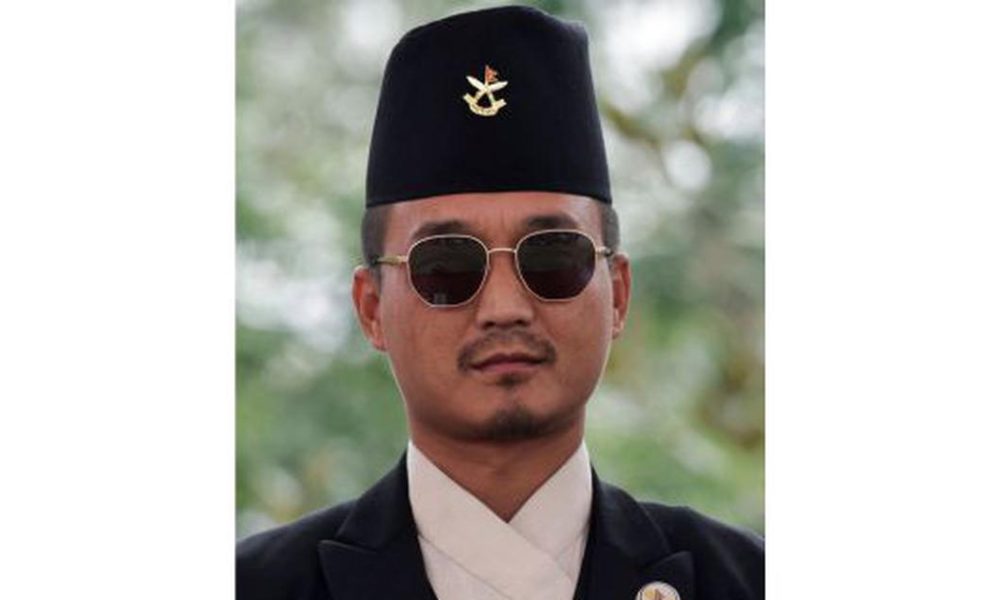
Nepal’s political landscape witnessed a significant shake-up on Wednesday as Home Minister Sudan Gurung announced his resignation, just weeks after assuming office. His decision came in the wake of growing scrutiny regarding his financial dealings, particularly following the arrest of businessman Deepak Bhatt on accusations of money laundering. Gurung’s resignation is aimed at facilitating an unbiased investigation into these troubling allegations and ensuring that his position does not impede the process.
In a heartfelt statement shared via social media, Gurung emphasized the importance of ethics over political power. He stated, “For me, ethics is greater than position, and there is no greater force than public trust.” His words resonate deeply given the backdrop of the ongoing Gen Z movement in Nepal, which advocates for enhanced governance, transparency, and accountability within the political framework. This movement has underscored a growing demand for integrity among public officials, highlighting the critical need for clean leadership in contemporary governance.
Gurung’s tenure as Home Minister began on March 27, shortly after the Rashtriya Swatantra Party government, led by Prime Minister Balendra Shah, was established. His appointment was seen as a pivotal moment for the youth-led protests that have been gaining traction across the nation. These protests initially erupted in response to the government’s controversial ban on 26 social media platforms on September 4, which was lifted only days later on September 8. Even so, the protests quickly evolved into a broader outcry against perceived governance failures.
The implications of Gurung’s resignation extend beyond personal accountability; they reflect a larger sentiment among the Nepali populace regarding the necessity for responsible governance. The recent protests have galvanized many young citizens, demanding that leaders be held accountable and act transparently in their roles. Gurung’s acknowledgment of these demands indicates a shift in political expectations within Nepal, particularly among the younger demographic that is increasingly vocal about its aspirations for a clean and effective government.
As Nepal navigates this political upheaval, the future of its leadership will depend heavily on how effectively the current administration addresses these pressing issues. Gurung’s resignation may serve as a critical juncture for reform in Nepal, encouraging other leaders to adopt a similar stance on ethical governance. The developments in this scenario will be closely watched, both domestically and internationally, as the nation strives to uphold the principles of accountability and public trust in its political institutions.
Source: scroll.in







No Comment! Be the first one.