

Delhi High Court Upholds Bail for Former Congress Councillor Ishrat Jahan in 2020 Riots Case
The Delhi High Court has upheld the bail granted to Ishrat Jahan, a former councillor of the Congress party, rejecting a plea by the police that sought to overturn this decision. The ruling was made...

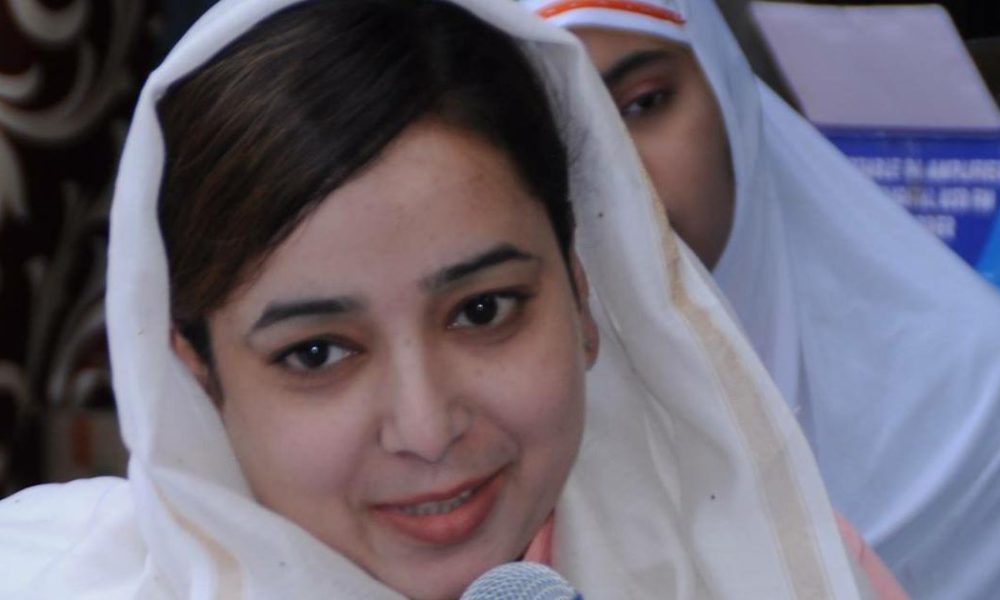
The Delhi High Court has upheld the bail granted to Ishrat Jahan, a former councillor of the Congress party, rejecting a plea by the police that sought to overturn this decision. The ruling was made on Friday by a bench comprising Justices Navin Chawla and Ravinder Dudeja, stating that the police had failed to demonstrate any violations of bail conditions by Jahan since her release in 2022.
The case relates to the violent riots that erupted in North East Delhi between February 23 and February 26, 2020, during which 53 people lost their lives and hundreds more were injured. The conflict was predominantly between supporters and opponents of the Citizenship Amendment Act (CAA), and tragically, a significant number of those who died were from the Muslim community. Authorities have arrested various activists in connection with the violence, including Jahan, who was accused of being part of a broader conspiracy aimed at discrediting the central government.
The Delhi Police accused Jahan and others of orchestrating the unrest as part of a planned effort to undermine the Narendra Modi administration. Those charged in this context have faced serious allegations under multiple laws, including the Unlawful Activities Prevention Act (UAPA), the Prevention of Damage to Public Property Act, and the Indian Penal Code.
During the hearing, the judges emphasized the passage of over four years since the bail was initially granted, underscoring that there was no current evidence indicating any misconduct by Jahan with respect to her bail conditions. This decision has attracted attention amid ongoing discussions about the treatment of dissent and the implications of governmental actions during periods of civil unrest.
The ruling reflects a significant moment in the ongoing legal battles surrounding the 2020 riots, as it raises questions about the treatment of political activists and the judicial process in politically charged cases. With the public closely watching, the implications of this decision could resonate beyond the courtroom and into the broader socio-political landscape of India.
Source: scroll.in







No Comment! Be the first one.