

Exploring the Psychological Impact of Partition: A Look at Intergenerational Trauma in India
The Partition of India in 1947 was not just a political division; it was a cataclysmic event that reshaped the very psyche of countless families. A recent book delves into these harrowing...

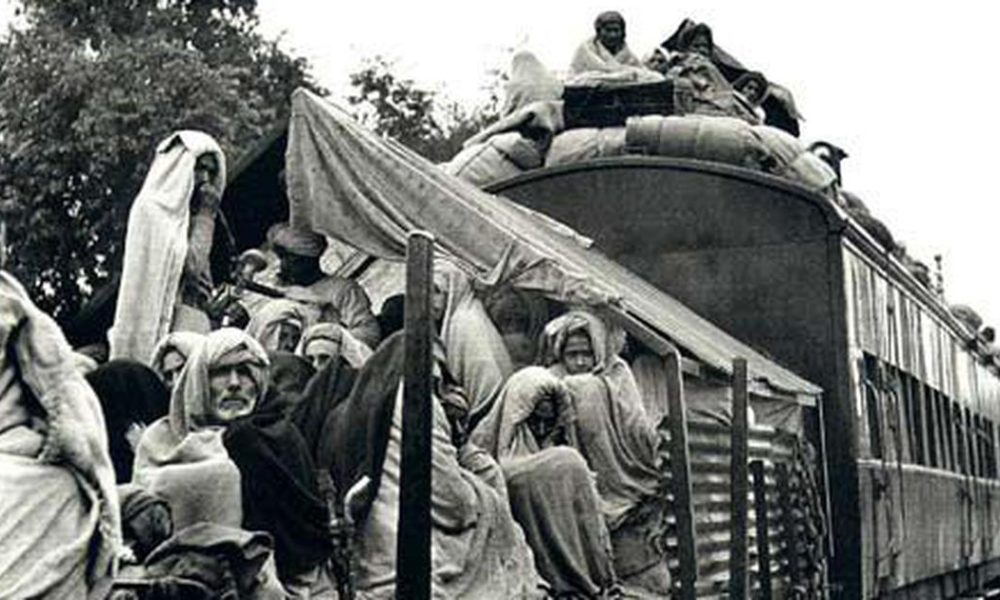
The Partition of India in 1947 was not just a political division; it was a cataclysmic event that reshaped the very psyche of countless families. A recent book delves into these harrowing experiences, illustrating how the traumas of that period reverberate through generations. One poignant narrative highlights the story of Ramaji, whose family faced the terrifying realities of violence during this tumultuous time.
Ramaji’s childhood home in Quetta became a site of fear as a mob approached their neighborhood one fateful night. Her father, acutely aware of the impending danger, quickly gathered the family to seek refuge in a nearby house. As they lay in silence, hearts racing and lights out, Ramaji’s account of that night becomes more than just a personal memory; it encapsulates the collective anxiety that many families endured. Fortunately, the mob presumed the houses were deserted and moved on, but the near-miss left an indelible mark on Ramaji and her family.
In the aftermath of the violence, the urgency to escape became paramount. Ramaji recalls how her family hastily assembled their belongings, scrambling to collect cash and valuables. In an era where Rs 22,000 represented a significant amount, her mother crafted makeshift belts from cotton cloth to discreetly hide their treasures. This act of resourcefulness not only symbolized their desperate attempt to safeguard their future but also the emotional burden that accompanied their flight from home.
This narrative is just one of many that the new book explores, emphasizing the ongoing psychological impact of the Partition. For many survivors and their descendants, the emotional scars often manifest as intergenerational trauma, influencing relationships, mental health, and cultural identity. The book seeks to illuminate these complex dynamics, encouraging readers to reflect on how historical events shape personal and communal identities.
As India continues to grapple with its diverse narratives of the past, understanding the psychological ramifications of the Partition is crucial. It serves as a reminder of the need for empathy and recognition of shared histories, fostering a more inclusive dialogue about the nation’s journey. By shedding light on these stories, we can begin to address the lasting effects of trauma and work towards healing as a society.
Source: scroll.in







No Comment! Be the first one.