

Opposition Moves to Impeach Chief Election Commissioner Gyanesh Kumar in Rajya Sabha
The political landscape in India witnessed a significant turn on Friday as opposition parties filed a new notice in the Rajya Sabha aimed at initiating the impeachment process of Chief Election...

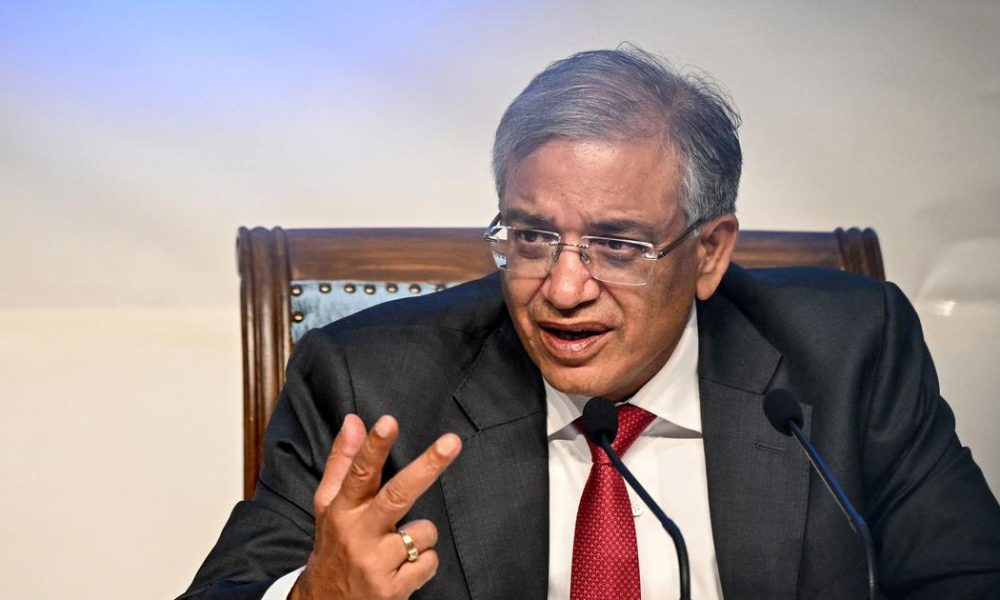
The political landscape in India witnessed a significant turn on Friday as opposition parties filed a new notice in the Rajya Sabha aimed at initiating the impeachment process of Chief Election Commissioner Gyanesh Kumar. Congress leader Jairam Ramesh announced the development through a social media post, emphasizing the serious allegations against Kumar that form the basis of this impeachment motion.
This fresh notice has garnered support from 73 Members of Parliament (MPs) within the Rajya Sabha, highlighting the escalating tensions between the ruling party and the opposition concerning electoral integrity and governance. Ramesh pointed out that the notice includes nine specific charges against Kumar that have been meticulously documented, asserting that these allegations cannot simply be dismissed or obscured. He described Kumar’s continued tenure as a “threat to the Constitution,” signalling the gravity of the opposition’s stance.
It is noteworthy that this is not the first time such a motion has been tabled against the Chief Election Commissioner. Earlier, on April 6, Rajya Sabha Chairman CP Radhakrishnan and Lok Sabha Speaker Om Birla had dismissed similar notices submitted by opposition MPs, which had received considerable backing from both houses, with signatures from 63 Rajya Sabha MPs and 130 Lok Sabha members. Such motions require a minimum number of endorsements to progress, illustrating the opposition’s determination to hold Kumar accountable for his actions.
The impeachment process for the Chief Election Commissioner is structured similarly to that of a Supreme Court judge, necessitating a thorough investigation into the allegations before any formal proceedings can take place. This framework illustrates the seriousness with which such motions are treated within the Indian parliamentary system, ensuring that due process is followed even amidst political rivalries.
The current political climate in India has seen increasing scrutiny over the electoral commission’s role and its independence, especially in context of recent elections and the challenges faced in upholding democratic principles. As the opposition continues to push for accountability, the unfolding situation promises to be a focal point of political discourse in the coming days, with significant implications for the conduct of future elections in the country.
Source: scroll.in







No Comment! Be the first one.