

Political Shake-Up: Seven AAP MPs Shift Allegiance to BJP Amid Impeachment Talks
The political landscape in India witnessed a significant upheaval as seven members of the Aam Aadmi Party (AAP) in the Rajya Sabha announced their decision to join the ruling Bharatiya Janata Party...

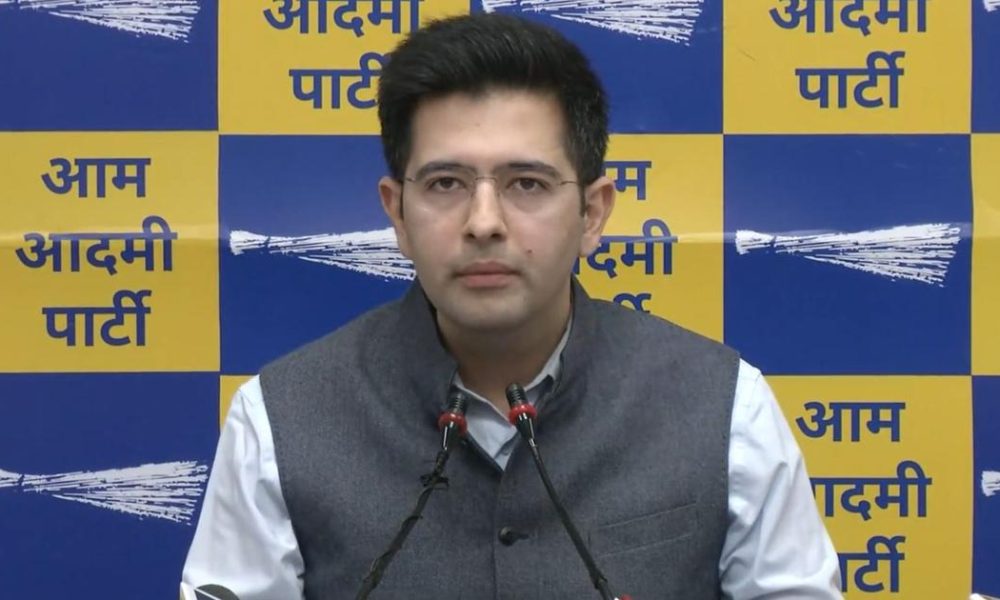
The political landscape in India witnessed a significant upheaval as seven members of the Aam Aadmi Party (AAP) in the Rajya Sabha announced their decision to join the ruling Bharatiya Janata Party (BJP). This unexpected shift was confirmed during a press conference held by AAP MP Raghav Chadha, who asserted that a majority of the party’s Rajya Sabha MPs were in favor of this merger. Chadha was joined by fellow AAP members Sandeep Pathak and Ashok Mittal during the announcement.
Prior to this split, the AAP boasted a total of ten representatives in the Upper House of Parliament. The party now faces a critical juncture as it grapples with the ramifications of this significant loss. According to Chadha, the decision to merge with the BJP was supported by six other MPs: Harbhajan Singh, Rajinder Gupta, Vikram Sahney, and Swati Maliwal. Meanwhile, AAP leader Sanjay Singh expressed deep disappointment, accusing the defectors of betraying the people of Punjab, particularly in the context of the party’s commitment to its constituents.
As the AAP’s internal dynamics shift, the political environment becomes increasingly complicated. The party has been a vocal opponent of the BJP, particularly in Delhi, where it has held power since 2015. This recent development might embolden the BJP’s position in the Rajya Sabha, which already holds a substantial majority. The AAP’s dwindling presence in the Upper House raises concerns over its influence on national policy and governance.
In a separate but equally pressing issue, the Supreme Court has been made aware of anomalies in the voter registration process in West Bengal. Reports indicate that 65 election duty officers have been removed from the electoral rolls during a special intensive revision. The counsel representing the affected individuals informed the court that these officers, who were assigned roles for election duties, found themselves inexplicably removed, despite their Electors’ Photo Identity Card numbers being previously recorded. The court has advised petitioners to pursue this matter through the appropriate channels.
This combination of political realignment and electoral challenges underscores the turbulent atmosphere within Indian politics. As parties navigate their internal conflicts and external pressures, the implications for governance and public trust are substantial. The ongoing developments call for close observation as they may significantly influence the upcoming political landscape in India.
Source: scroll.in







No Comment! Be the first one.