

Concerns Grow Over ‘Leopard Jams’ in Sri Lanka’s Yala National Park
Yala National Park, located in the southern region of Sri Lanka, is a hotspot for wildlife enthusiasts eager to catch a glimpse of the elusive leopard. Known for its high density of these majestic...

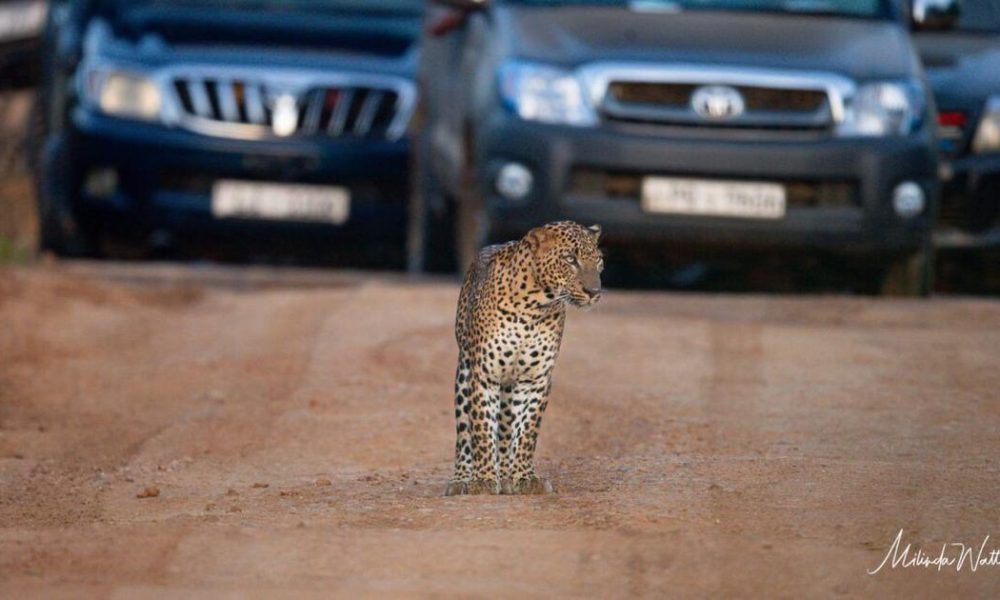
Yala National Park, located in the southern region of Sri Lanka, is a hotspot for wildlife enthusiasts eager to catch a glimpse of the elusive leopard. Known for its high density of these majestic big cats, particularly in Block I, the park attracts numerous visitors year-round. With an estimated one leopard per square kilometer in this area, the chances of spotting one are tantalizingly high, but this popularity has led to some alarming consequences.
The influx of tourists has resulted in what some are calling ‘leopard jams.’ As safari jeeps congregate in search of sightings, the roads can become cluttered, creating dangerous situations not just for the wildlife, but also for the tourists themselves. Instances of reckless driving, including speeding through the park, have raised concerns among conservationists and park officials alike.
Past incidents underscore the risks associated with these crowded conditions. A tragic hit-and-run accident in October 2011 claimed the life of a young leopard, and similar events have occurred since. In June 2012, another instance resulted in the death of a jungle cat, while a collision between two safari vehicles in September 2021 left a local visitor injured. Such occurrences highlight the urgent need for stricter regulations and better management of the park’s visitor traffic.
Recently, an incident involving Lucas, a prominent male leopard from Block I, intensified the debate around safety measures in Yala. Reports emerged that a safari jeep had come too close to the animal, with conflicting accounts about the severity of the encounter. While some alleged that the leopard was merely ‘slightly bumped,’ park authorities rejected these claims, indicating a need for a coherent response to protect both the animals and the tourists.
Ravindra Kumara, the warden of Yala National Park, has voiced concerns about the ongoing situation, emphasizing the need for responsible wildlife tourism. He urges visitors to prioritize the safety of the animals and adhere to park guidelines to mitigate the risks associated with overcrowding. As the park continues to attract global attention, striking a balance between tourism and wildlife preservation will be crucial for the future of Yala National Park.
Source: scroll.in







No Comment! Be the first one.