

Iran Declines Second Round of US Negotiations Amid Escalating Tensions
In a significant development, Iran has announced that it will not participate in the upcoming second round of negotiations with the United States, which were scheduled to take place in Pakistan. This...

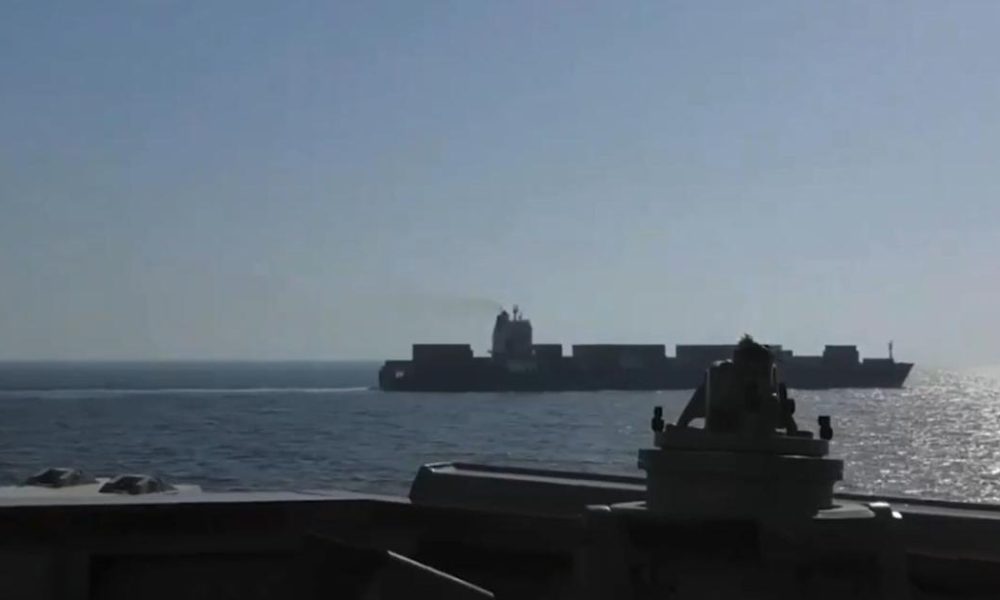
In a significant development, Iran has announced that it will not participate in the upcoming second round of negotiations with the United States, which were scheduled to take place in Pakistan. This decision was reported by the country’s state broadcaster, IRIB, on Monday, following remarks made by US President Donald Trump regarding a forthcoming US delegation to Islamabad for discussions with Iranian officials.
The backdrop to this diplomatic standoff is a two-week ceasefire in the West Asia region, which was initiated on April 8 and is set to expire on Wednesday. The ceasefire has provided a temporary pause in hostilities, but the lack of Iranian participation in further talks could reignite tensions in an already volatile area.
Adding fuel to the fire, President Trump disclosed on Sunday that the US Navy had fired upon and seized an Iranian cargo vessel that was reportedly attempting to breach a naval blockade imposed by the United States. The vessel, identified as the Touska, was intercepted by the USS Spruance, a guided-missile destroyer, as it attempted to navigate towards the Iranian port city of Bandar Abbas. According to US military officials, the Iranian ship ignored multiple warnings over a protracted six-hour period, prompting the US forces to strike the vessel’s engine room before boarding it to take control.
This incident underscores the heightened military presence of US forces in the Arabian Sea, where they are actively enforcing naval blockade measures against Iranian-flagged vessels. The situation reflects the ongoing geopolitical tensions between the two nations, particularly as they relate to Iran’s nuclear ambitions and broader regional security issues.
As the ceasefire deadline approaches, many are left wondering whether future negotiations will take place or if the cycle of aggression will resume. The international community continues to watch closely, as these developments could significantly impact not just the immediate region but also global security dynamics.
Source: scroll.in







No Comment! Be the first one.