

Daniel Kehlmann’s ‘The Director’: A Critique of Propaganda in Cinema on International Booker Shortlist
Daniel Kehlmann’s novel, The Director, has made its mark by being shortlisted for the prestigious 2026 International Booker Prize. Originally released in German as Lichtspiel in 2023 and...

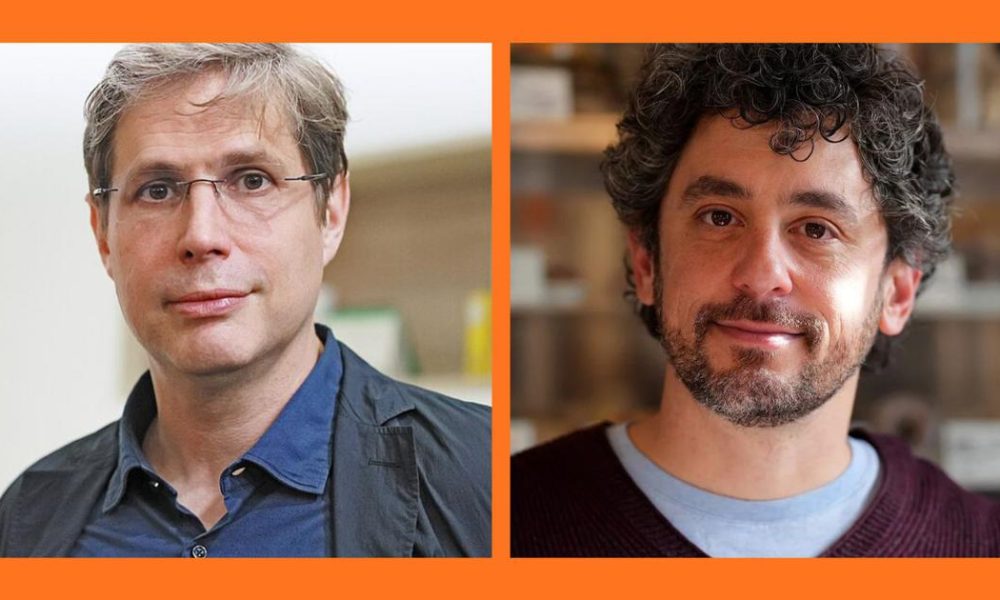
Daniel Kehlmann’s novel, The Director, has made its mark by being shortlisted for the prestigious 2026 International Booker Prize. Originally released in German as Lichtspiel in 2023 and translated by Ross Benjamin, this novel takes readers through the tumultuous life of GW Pabst, a prominent filmmaker during the Weimar Republic, and explores the intricate balance between art and propaganda.
Pabst, whose real-life story unfolds within the pages of the book, was born in Vienna and pursued his passion for drama at the Academy of Decorative Arts. His journey in the arts took off when he ventured to the United States in 1919, seeking opportunities at the German Theatre in New York City. By 1914, he had firmly decided on a career in directing and returned to Europe to assemble a talented cast for his cinematic ventures. His films from the late 1920s and 1930s notably reflected the struggles between societal conditions and the human experience.
However, the onset of World War II marked a significant downturn in Pabst’s career. As the political landscape shifted dramatically, the quality of his work began to falter. Upon his return to Germany, he found himself coerced into creating films that aligned with the Nazi regime’s ideologies. Notable works from this period include Komödianten (1941) and Paracelsus (1943), a biographical film about the revolutionary physician from the 16th century. Under the weight of oppressive state control, Pabst’s artistic integrity was challenged as he navigated the demands of a regime that sought to exploit cinema as a tool for propaganda.
Kehlmann’s narrative captures not just the historical essence of Pabst’s life but also delves into the broader implications of art in times of political strife. The quote from the novel, “You have to be extremely careful not to say anything wrong, even more so since the beginning of the war. But once you get used to it and know the rules, you feel almost free,” reflects the precarious line artists tread in oppressive environments. This mirrors the struggles many artists face, both in the past and present, particularly in regions where freedom of expression is stifled.
The inclusion of The Director in the International Booker shortlist not only honors Kehlmann’s literary craft but also serves as a poignant reminder of the responsibilities that accompany artistic expression. As Indian readers engage with this narrative, they may find parallels in their own cultural and political contexts, further enriching their understanding of the intersections between art and societal dynamics.
Source: scroll.in







No Comment! Be the first one.