

Rediscovering Malka Jan: A 19th Century Courtesan’s Lost Literary Legacy
In a poignant letter dated 1886, celebrated poet Dagh Dehlvi lauded the talents of Malka Jan, an influential courtesan and poetess of her era. He described her creation, Na’ala e Malka (Malka’s...

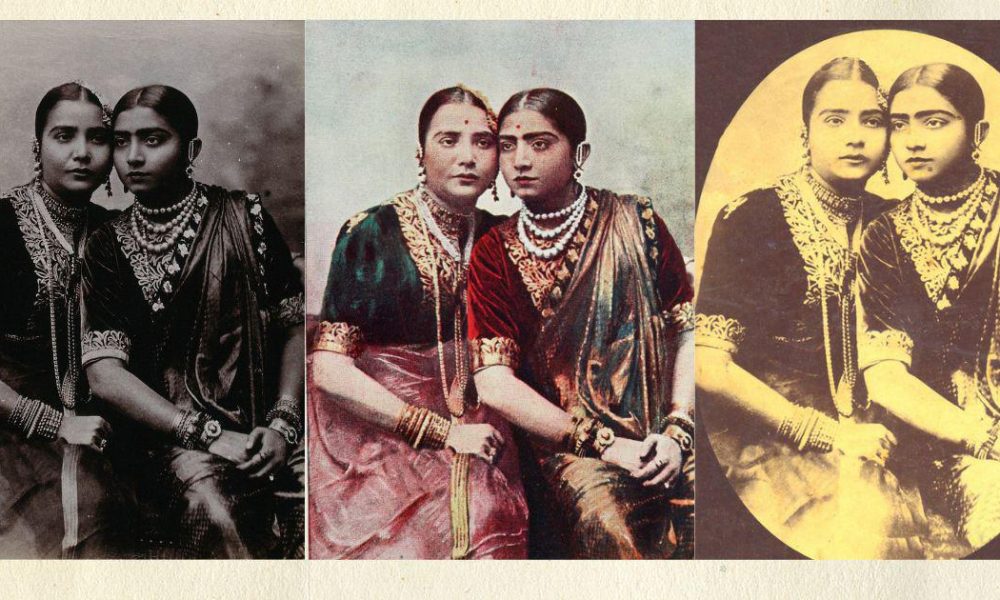
In a poignant letter dated 1886, celebrated poet Dagh Dehlvi lauded the talents of Malka Jan, an influential courtesan and poetess of her era. He described her creation, Na’ala e Malka (Malka’s Lament), as a unique masnavi, infused with flirtation and crafted in a blend of English and Hindustani. Dehlvi’s acknowledgment underscores Malka Jan’s stature as a prominent figure in the literary circles of 19th century India, yet her remarkable works, like many others from her contemporaries, have sadly faded into obscurity.
The 19th century was a pivotal period for Urdu poetry, witnessing the emergence of numerous female poets, predominantly tawaifs. However, unlike their male counterparts—such as Ghalib, Zauq, and Dagh—who enjoyed widespread recognition and preservation, the contributions of these talented women were often overlooked. Their voices, rich with creativity and experience, gradually dimmed in the shadows of a male-dominated literary space.
Compounding this challenge was a societal tendency to dismiss the authenticity of women’s literary works, with many female poets being accused of relying on male admirers to ghostwrite their verses. As a result, only fragments of their brilliant artistry remain, primarily recorded in tazkiras—biographical accounts that chronicled their lives and sometimes included excerpts of their poetry. The legacy of Malka Jan, encapsulated in her first poetry collection, Makhazana e Ulfat e Malka (Treasures of Malka’s Love), published in the very year Dagh wrote to her, is emblematic of this lost heritage.
Despite the challenges faced by women poets, Malka Jan’s contributions resonate with the struggles and triumphs of her time. Her work not only reflects her individual talent but also serves as a testament to the broader cultural and societal dynamics of 19th century India. As scholars and enthusiasts delve into the archives of Urdu literature, there’s a growing recognition of the need to revive and honor the voices that have been silenced for too long.
Efforts to rediscover and reconstruct the legacies of poets like Malka Jan are crucial in acknowledging the rich tapestry of India’s literary history. By bringing attention to the plight and achievements of these courtesans-turned-poets, we can appreciate the depth of their artistry and the unique perspectives they offered to the world of Urdu literature. As we continue to explore this lost world, it’s essential to remember that behind every lost verse lies a story longing to be told.
Source: scroll.in







No Comment! Be the first one.