

Struggles of Madhya Pradesh’s Raika Community Amidst Vanishing Grazing Lands
In the Neemuch district of Madhya Pradesh, Narayan Rabari, a 42-year-old pastoralist, is on an arduous journey with his flock of sheep and camels, searching desperately for areas that can sustain...

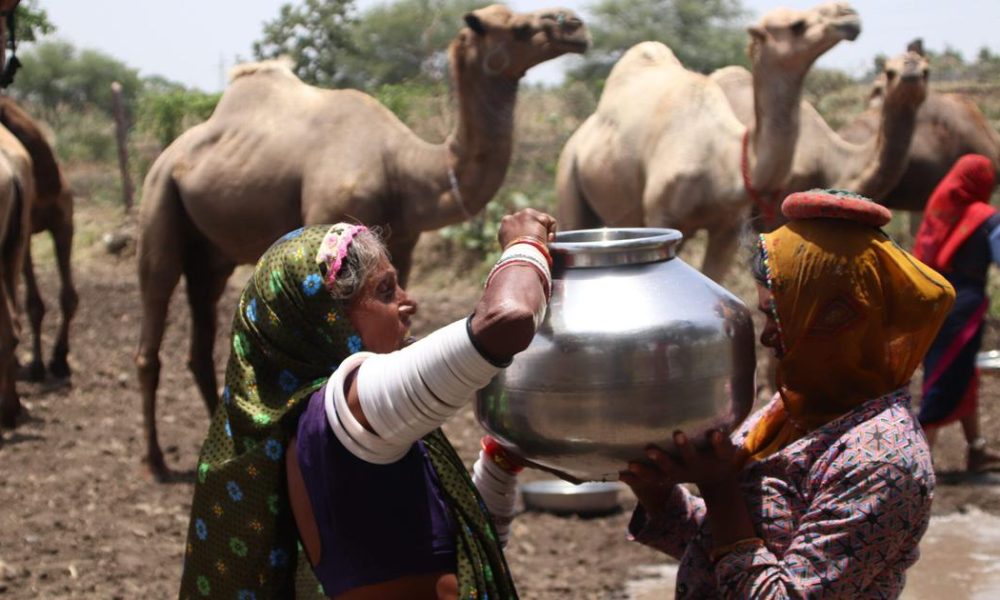
In the Neemuch district of Madhya Pradesh, Narayan Rabari, a 42-year-old pastoralist, is on an arduous journey with his flock of sheep and camels, searching desperately for areas that can sustain them. This trek has already spanned over 300 kilometres since he left his home in the Pali district of Rajasthan, and he has been walking for more than two days, navigating through highways, fenced farms, and settlements where grazing once thrived.
Narayan is part of the Raika community, a group of nomadic agropastoralists traditionally known for their seasonal migrations across western India. However, the community now faces a dire situation as grazing lands dwindle, migration routes disappear, and access to communal resources declines. Many younger members of the Raika community are abandoning the age-old practice of herding in favor of salaried jobs, leaving the older generation to carry on the burden of maintaining their traditional agropastoral lifestyle.
Reflecting on his youth, Narayan recalls a time when grazing fields were more plentiful, although not sufficient to accommodate all the livestock in the village. “The open lands we used to rely on have been transformed into private agricultural estates. Some have been repurposed for road construction, and what’s left is barely usable,” he lamented. The rapid transformation of land for urbanization and agriculture has left little room for pastoralists like him, forcing them to travel farther than ever to find suitable grazing grounds.
With the pressures of modern development, the Raika community is grappling with a stark reality. The younger generation, faced with fewer options for sustainable livelihoods within their traditional practices, is increasingly opting for more stable employment opportunities in urban settings. This shift threatens the very fabric of their culture and way of life, as the wisdom and skills of traditional herding risk being lost.
The plight of the Raika pastoralists is emblematic of a larger trend affecting nomadic communities across India, where changing land use and environmental challenges are reshaping their existence. As Narayan continues his search for grazing fields, he embodies the struggle of countless others who are endeavoring to preserve their heritage while facing the harsh realities of a rapidly changing landscape.
Source: scroll.in







No Comment! Be the first one.